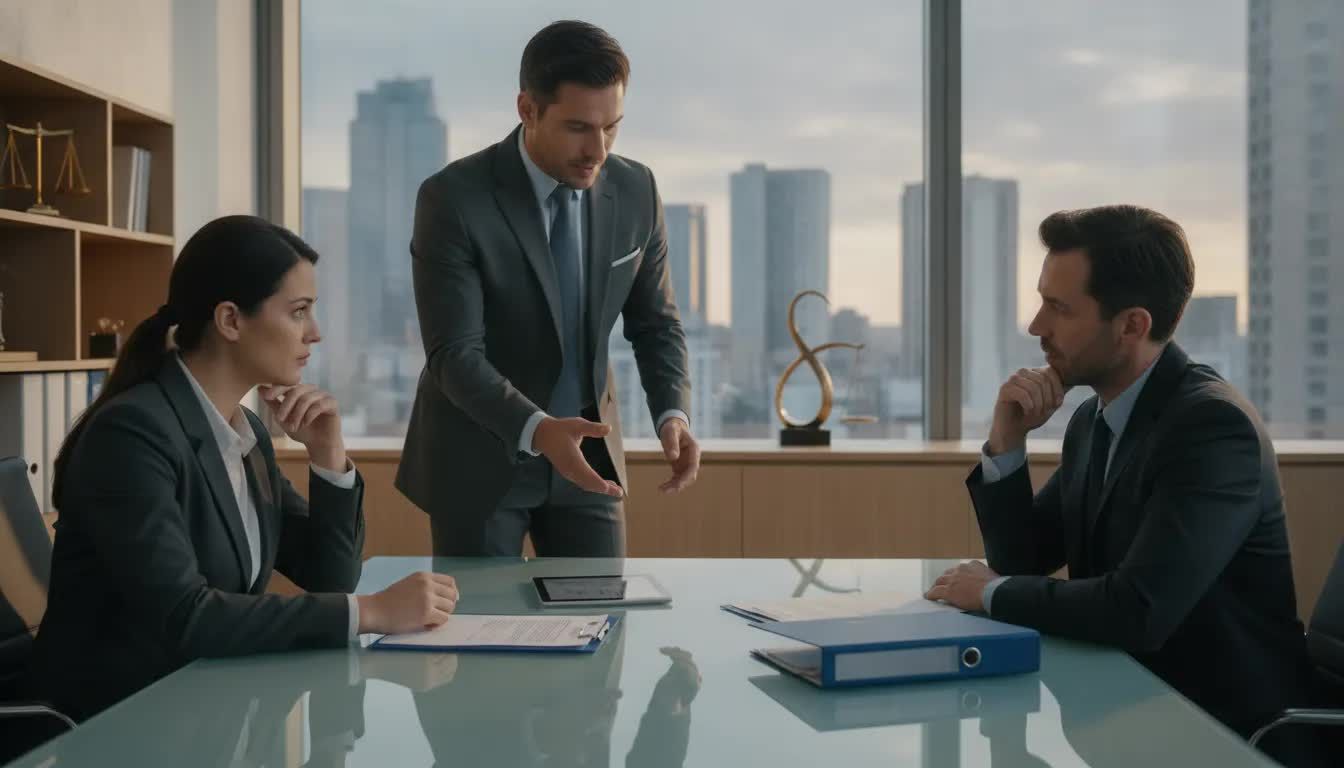
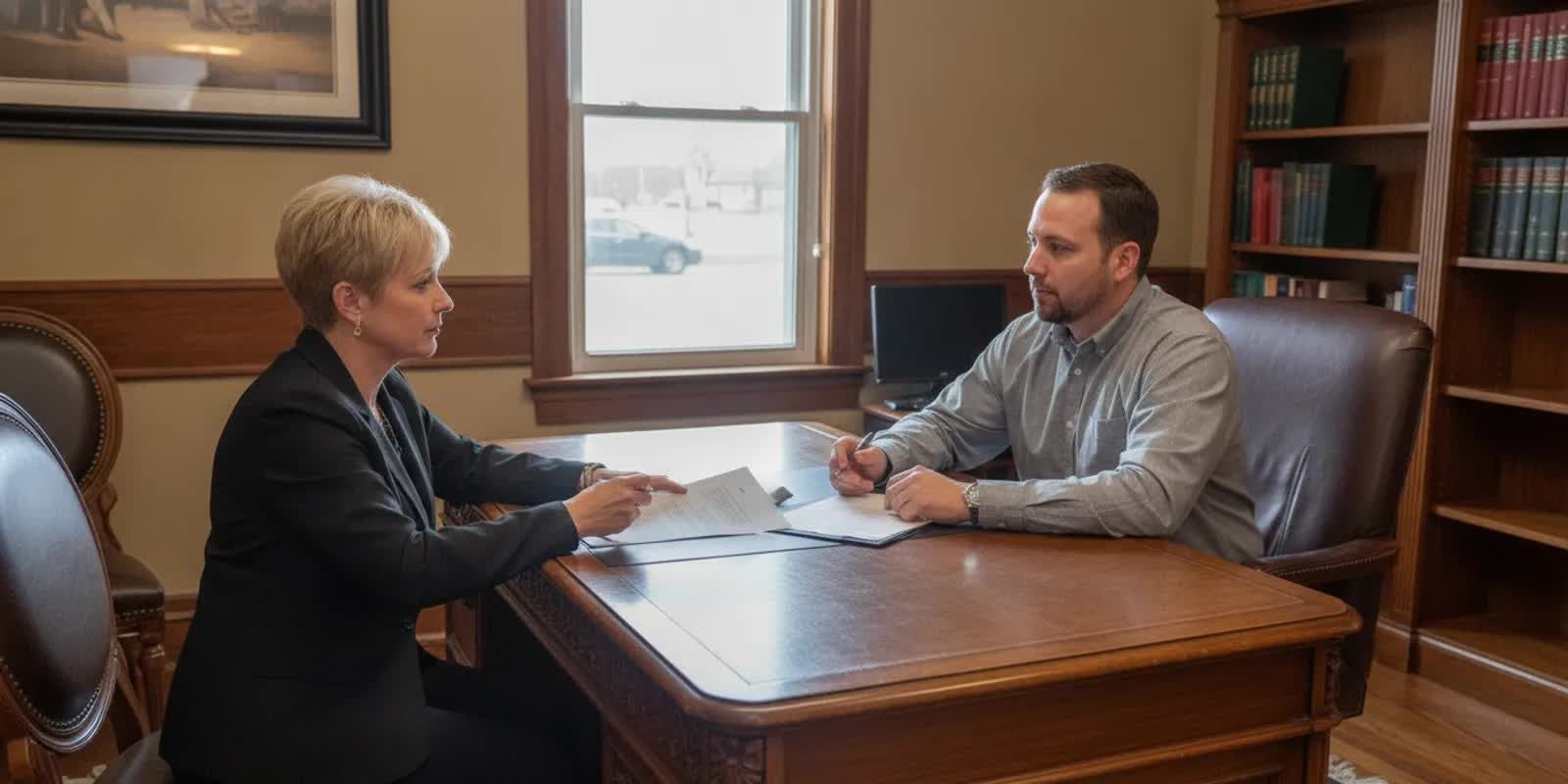
Michigan DUI forensic evidence can include chemical test results, roadside observations, video, records, and the way each item was collected and handled. A number on a report is not the whole case. At Boulahanis & Associates in Dearborn, we compare the test with the timeline, the equipment records, the officer's notes, and the available video before we tell you what that evidence may mean.
Michigan DUI forensic evidence can include chemical test results, roadside observations, video, records, and the way each item was collected and handled. A number on a report is not the whole case. At Boulahanis & Associates in Dearborn, we compare the test with the timeline, the equipment records, the officer's notes, and the available video before we tell you what that evidence may mean.
Michigan DUI forensic evidence can include tests, video, and records. See the questions a Dearborn defense lawyer may ask, then call for a free consultation.
Michigan DUI forensic evidence can include chemical test results, roadside observations, video, records, and the way each item was collected and handled. A number on a report is not the whole case. At Boulahanis & Associates in Dearborn, we compare the test with the timeline, the equipment records, the officer's notes, and the available video before we tell you what that evidence may mean.
Call now for a free consultation about your Michigan DUI evidence.
What counts as forensic evidence in a Michigan DUI case?
In plain language, forensic evidence is information collected, measured, preserved, or analyzed using a method that is meant to help establish a fact. In an OWI or DUI case, that can mean a laboratory result, an instrument printout, a video recording, a digital record, or a documented observation that is later presented as evidence.
The phrase does not mean that every item is conclusive. We do not promise that a test will be thrown out or that a charge will be dismissed. What an item means depends on the facts, the law that applies, the records behind it, and what the court does with it. We try to get each client the best result the circumstances allow. A free consultation is a conversation about those circumstances, not free representation.
Michigan's impaired-driving statutes address chemical analysis and related evidence, but the statute is only one part of a case review. The Michigan Legislature's text of MCL 257.625a is a primary source for the current statutory framework. An attorney should review the version that applies to the alleged conduct and compare it with the actual reports and test records.
Common categories of Michigan DUI forensic evidence
A defense review usually starts by identifying every source of information, not by focusing only on the most alarming result. The categories below can overlap, and the same event may appear in several records.
| Evidence category | What it may document | Questions counsel may investigate |
|---|---|---|
| Evidential breath test. | A reported breath-alcohol result from an approved instrument. | Instrument identity, operator records, testing conditions, maintenance, and supporting data. |
| Blood or urine toxicology. | Alcohol or drug findings in a submitted biological specimen. | Collection, labeling, storage, laboratory method, reporting, and the meaning of the result. |
| Field observations. | Driving, speech, balance, instructions, and roadside interactions. | What was actually observed, the conditions, the instructions, and whether video matches the report. |
| Video and audio. | Events before, during, and after the stop or test. | Completeness, timestamps, gaps, audio quality, original files, and context. |
| Handling and electronic records. | Who collected, transferred, stored, or entered information. | Identity, timing, source systems, seals, transfer entries, and consistency with other records. |
This is a comparison of evidence sources, not a ranking of which source is strongest. The same category can have different significance in different cases.
1. Evidential breath testing
An evidential breath test is a post-arrest chemical test performed with an approved instrument. Michigan State Police explains that its Forensic Science Division oversees the state's breath-alcohol instrument program, including inspections and related records. The MSP page on breath alcohol identifies the Intoxilyzer 9000 as the instrument used statewide and describes officer training, maintenance, and access to instrument-specific information.
Ask which instrument was used and whether its records match the test. Also ask what the operator was trained to do, whether the required checks were written down, and whether the result fits the timeline. Those questions do not mean the instrument failed. They are how we understand the foundation for the result.
A roadside portable breath test is a different category from an evidential breath test. Its purpose, setting, device, and evidentiary treatment may differ. For a focused explanation of that separate issue, see the firm's article on portable breath test reliability in DUI cases.
2. Blood, urine, and toxicology results
Blood and urine samples may be sent to a laboratory for alcohol or drug analysis. The Michigan State Police Toxicology Unit says it receives biological specimens from law enforcement agencies throughout the state. It describes gas chromatography for alcohol analysis and gas chromatography/mass spectrometry for drug confirmation. That information explains the general methods used by the state laboratory. It does not decide whether a particular sample was collected, stored, transported, or analyzed correctly.
In a particular case, we look at where the sample was collected and who drew or received it. We also look at the container, preservatives, seals, storage, transfer records, the testing that was requested, and the lab paperwork. If drugs are alleged, we ask what substance was identified and whether the number is being used to claim impairment or only presence.
Michigan's MSP toxicology overview is an authoritative description of the state's forensic laboratory disciplines. It should not be treated as a case-specific opinion about a person's sample. The firm's separate article on DUI blood test accuracy and common testing errors covers blood-testing questions in more depth. This article's focus is how blood or urine results fit into the larger evidence picture.
3. Standardized field sobriety test observations
Field sobriety tests are not laboratory tests, but officers may document them as evidence of suspected impairment. The report may describe instructions, demonstrations, the surface and lighting, footwear, weather, traffic, medical conditions, balance issues, divided attention, and the officer's interpretation of the person's performance.
A careful review asks what was actually seen. Do not stop at a conclusion such as "failed the tests." We compare the officer's narrative with the video, the dispatch times, and the instructions that were given. An injury, fatigue, anxiety, medication, a language issue, or the location may matter. None of those factors explains an observation by itself, and none of them is advice about your case until the facts are reviewed.
4. In-car, body-camera, booking, and other video
Video can show details that a summary report does not. Depending on the event, relevant footage may include a patrol vehicle camera, body-worn camera, booking-area video, a dashcam from another vehicle, a surveillance system, or a phone recording. It may show driving, the reason for the stop, the instructions given, the timing of a test, the handling of a sample, or what happened before and after a written observation.
Video is not automatically complete or self-explanatory. We ask whether it starts before the event, whether there are gaps, and whether the time stamp is right. We also ask whether the audio stays with the picture, whether the file is an original export, and whether the copy was compressed. Compare the recording with the report and the other records. Do not watch it alone.
The firm's Michigan DUI defense overview describes the broader case review, including reports, video, and testing. The goal is to connect each piece of evidence to the actual allegation without assuming that one favorable or unfavorable clip resolves the case.
5. Police reports, dispatch records, and electronic data
Reports and records may contain the timeline that makes the scientific evidence understandable. Examples can include dispatch entries, CAD event records, officer notes, tow or booking records, test logs, laboratory submissions, and records showing when a person was stopped, arrested, tested, or released.
Electronic records raise their own questions. We look at the source system, how the record was created, and whether the times use the same clock. We also check whether an entry was added later and whether the page is a summary or the underlying data. A computer record is not unreliable just because it is electronic.
For the general sequence from an alleged stop through the court process, readers can review Michigan DUI charging process. This article does not replace that process guide. It focuses on how counsel may use the timeline to ask whether separate evidence sources agree or leave an unresolved question.
6. Chain-of-custody and evidence-handling records
When a physical sample or item is offered as evidence, the records may show who collected it and who sealed it. They may also show where it was stored, when it moved, and who received it. The important question is not just whether a form exists. Counsel may compare the form with labels, dates, laboratory intake records, test worksheets, and the description in the police report.
A missing detail is not automatically a winning defense, and a complete-looking form is not automatically the end of the inquiry. The legal effect depends on the applicable rules and the facts. The firm's chain of custody evidence guide addresses that subject directly. Here, it is enough to recognize that handling records are part of the foundation for understanding a physical or laboratory result.
Questions counsel may investigate about the evidence
These are case-review questions, not a checklist that predicts an outcome. A lawyer may ask for the underlying records and then decide which questions matter under the charges and facts.
- What evidence actually exists? Counsel may identify the complaint, police report, test results, instrument printouts, videos, photographs, dispatch material, laboratory documents, and other records. A reference to a test in a report is not the same as having the complete underlying file.
- Who created or handled each item? The review may trace the officer, medical professional, evidence technician, laboratory employee, instrument operator, records custodian, or other person associated with the item. The goal is to understand the foundation and identify who may need to explain it.
- What method was used? A roadside breath screen, an evidential breath test, a blood analysis, a urine analysis, and a field observation are not interchangeable. Counsel may determine what each method can show and what it cannot show.
- What conditions surrounded the collection or test? Timing, location, instructions, health conditions, medications, food or drink, environmental conditions, equipment status, and sample handling may all be relevant depending on the evidence. The question is not whether a generic factor always changes a result. It is whether the factor matters on these facts.
- Do the records agree? Counsel may compare time stamps, descriptions, test values, video, dispatch entries, and laboratory records. Differences may have an innocent explanation, a documentation explanation, or a significance that requires further investigation.
- Is the offered evidence complete and preserved? A lawyer may ask whether the original file, full video, machine data, laboratory worksheets, maintenance information, or transfer records are available. Preservation and disclosure questions should be addressed through the appropriate legal process, not by altering or deleting a person's own copy.
- What does the evidence prove, and what does it not prove? A chemical result may be offered to support one proposition, while the prosecution may argue additional facts from driving, statements, or observations. Counsel may separate those propositions instead of treating a single result as proof of every element.
A practical review sequence for Michigan DUI forensic evidence
A structured review can keep a case from becoming a debate over one number. The order will vary, but counsel may work through a sequence like this:
- Define the allegation. Identify the charged offense, the alleged conduct, the relevant date, and the court proceeding. A criminal DUI case and a separate implied-consent or license matter are not automatically the same engagement or the same evidence review.
- Build the timeline. Place the driving, stop, contact, field observations, arrest, medical care, sample collection, testing, booking, and release on a timeline using the original records where possible.
- Separate evidence sources. Label each item as an observation, video, report, physical sample, instrument record, laboratory result, or electronic record. This helps avoid treating a summary as though it were the original evidence.
- Check the foundation. Review collection, identification, handling, storage, instrument operation, laboratory analysis, and the witnesses or records that may support each item.
- Compare the evidence. Look for agreement, unexplained gaps, changed descriptions, time conflicts, missing footage, or other issues that need clarification. A difference is a question to investigate, not an automatic result.
- Match the review to the legal theory. After the evidence is understood, counsel can assess which objections, motions, cross-examination topics, negotiations, or trial issues are legally available. That assessment requires attorney review of the current law and the person's actual records.
What to preserve before speaking with counsel
If you have been accused of OWI or DUI, keep documents and information in their original form when possible. Save court papers, release paperwork, test paperwork, receipts, medical records you are entitled to access, insurance or tow documents, and any video or photographs you personally possess. Write down your own recollection while it is fresh, including where the stop occurred, who was present, and what records or recordings may exist.
Do not edit a video to make it shorter, rename a file in a way that obscures its source, delete messages, or post about the case online. Do not contact an officer, laboratory, or witness to argue about a result. Give the material to counsel and ask how it should be preserved or provided. A person should also avoid assuming that a public website, a generic device article, or a social-media discussion answers what the evidence means in a particular case.
How this evidence review relates to your defense
A defense review of forensic evidence is more than a hunt for a technical error. We use it to understand the prosecutor's theory, test whether the records support that theory, and spot facts that still need an explanation. It also shows where the evidence is strong, where it is thin, and what we cannot responsibly conclude yet.
No article can tell you whether evidence will come in, whether a test is accurate in your case, or whether a charge will be reduced or dismissed. Those answers depend on the current law, the court, and the complete file. Greg Boulahanis reviews OWI and DUI cases from the firm's only office, at 21905 Garrison St in Dearborn, for people charged in Wayne County outside Detroit and in Monroe County. Breath-test and blood-test questions are part of that criminal-case review. An implied-consent violation is a separate matter, and so is a hardship-license case in circuit court. Hiring us for one does not automatically cover the other. Before you call, you can read our questions to ask a DUI lawyer.
Call now for a free initial consultation about your DUI or OWI evidence. A consultation is not a promise of representation or a guaranteed result. Once you retain the firm, you get the attorney's cell phone so you can reach him about your case.
Frequently asked questions about Michigan DUI forensic evidence
Is a breath-test result the only forensic evidence in a Michigan DUI case?
No. A case may also involve blood or urine testing, field observations, video, police reports, dispatch records, instrument records, and evidence-handling documents. Which items matter depends on the allegations and the available records. A lawyer should review the complete file rather than assuming that one test controls every issue.
Can a defense lawyer challenge a DUI blood or urine test?
A lawyer can investigate the collection, preservation, laboratory method, reporting, and legal foundation for a result. Whether a challenge is available or likely to matter depends on the specific records and current law. The existence of a question does not promise suppression, exclusion, or dismissal.
Does video automatically disprove an officer's report?
No. Video can provide important context, but it may have limited views, missing time, audio problems, or a different perspective from the officer. Counsel may compare the full recording with the report and other evidence before deciding what the video shows.
Are implied-consent and criminal DUI evidence the same thing?
They can involve related events, but they are separate legal matters. A criminal charge and an administrative license issue may have different notices, procedures, deadlines, and questions. Do not assume that reviewing one matter automatically handles the other. Ask counsel to identify which proceeding is being addressed.
What should I ask a lawyer about my forensic evidence?
Ask what evidence is in the file, what underlying records are available, how the timeline is established, whether video or laboratory material is complete, and what each test can and cannot show. You can also ask which conclusions are supported now and which require more records or expert review. Avoid asking for a guaranteed outcome before counsel has reviewed the evidence.
Legal information notice: This article is general information, not legal advice. Michigan law and court procedures can change, and the significance of forensic evidence depends on the facts and records in an individual case. Discuss your situation with a Michigan attorney.