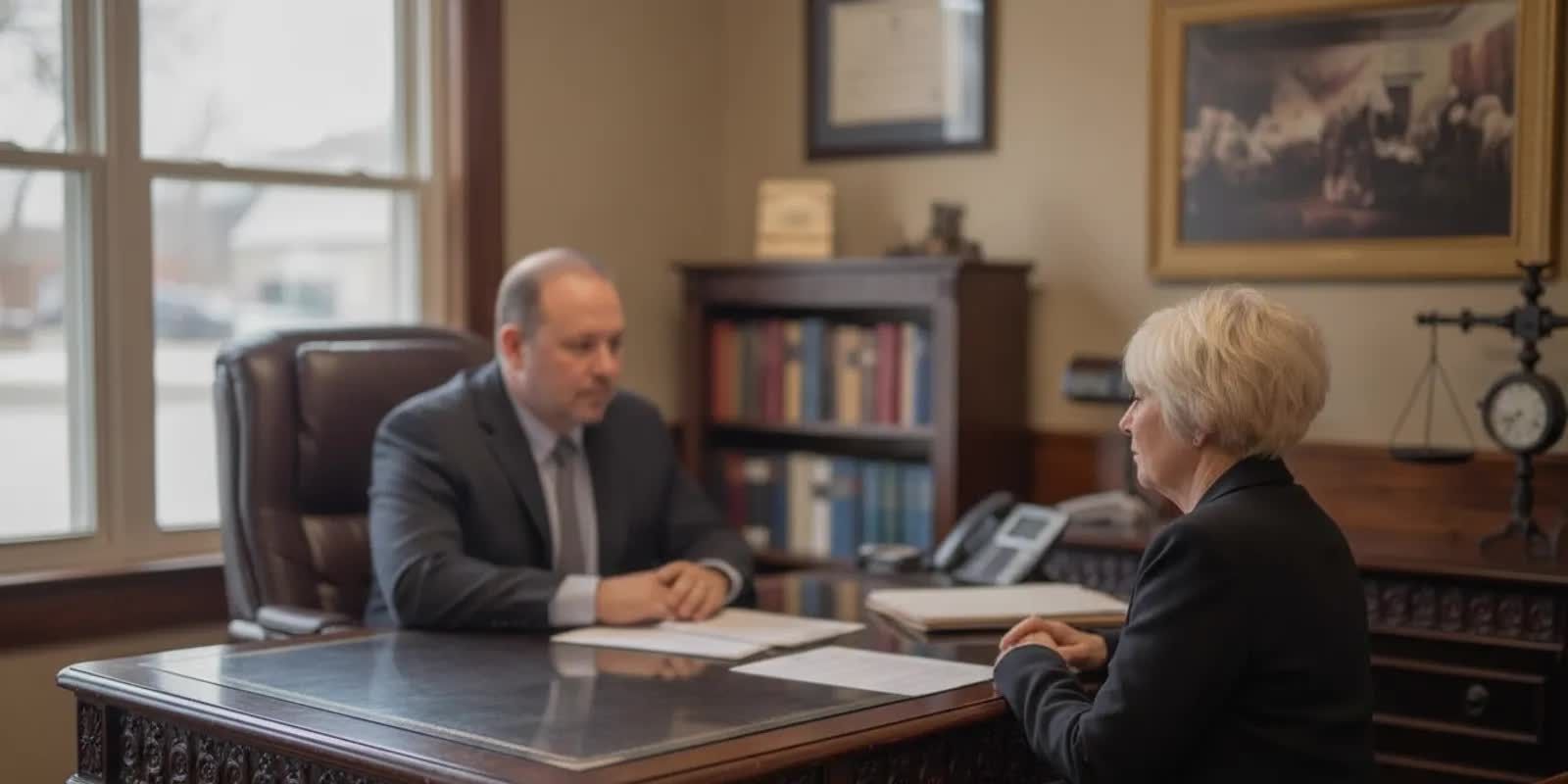
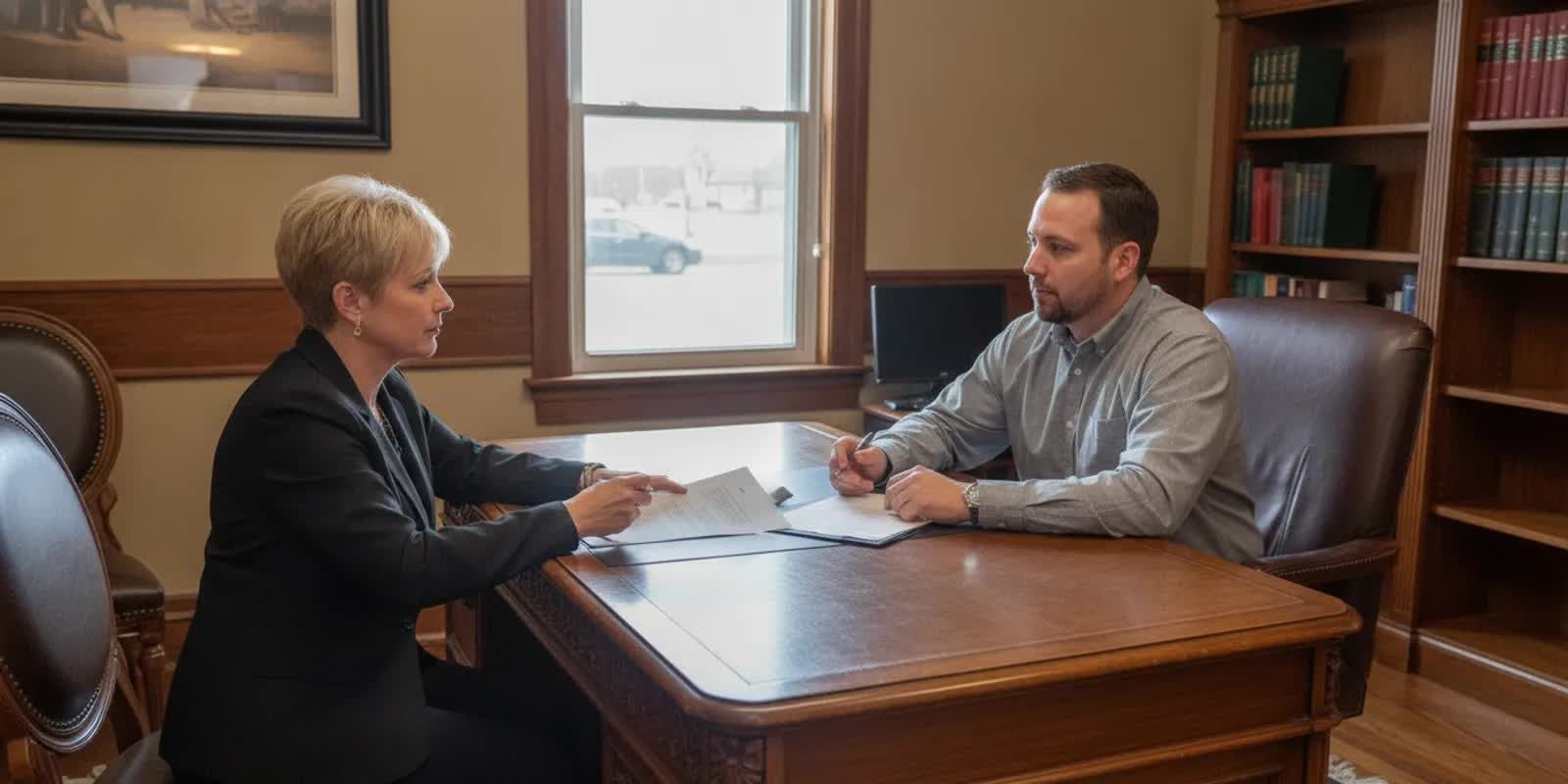
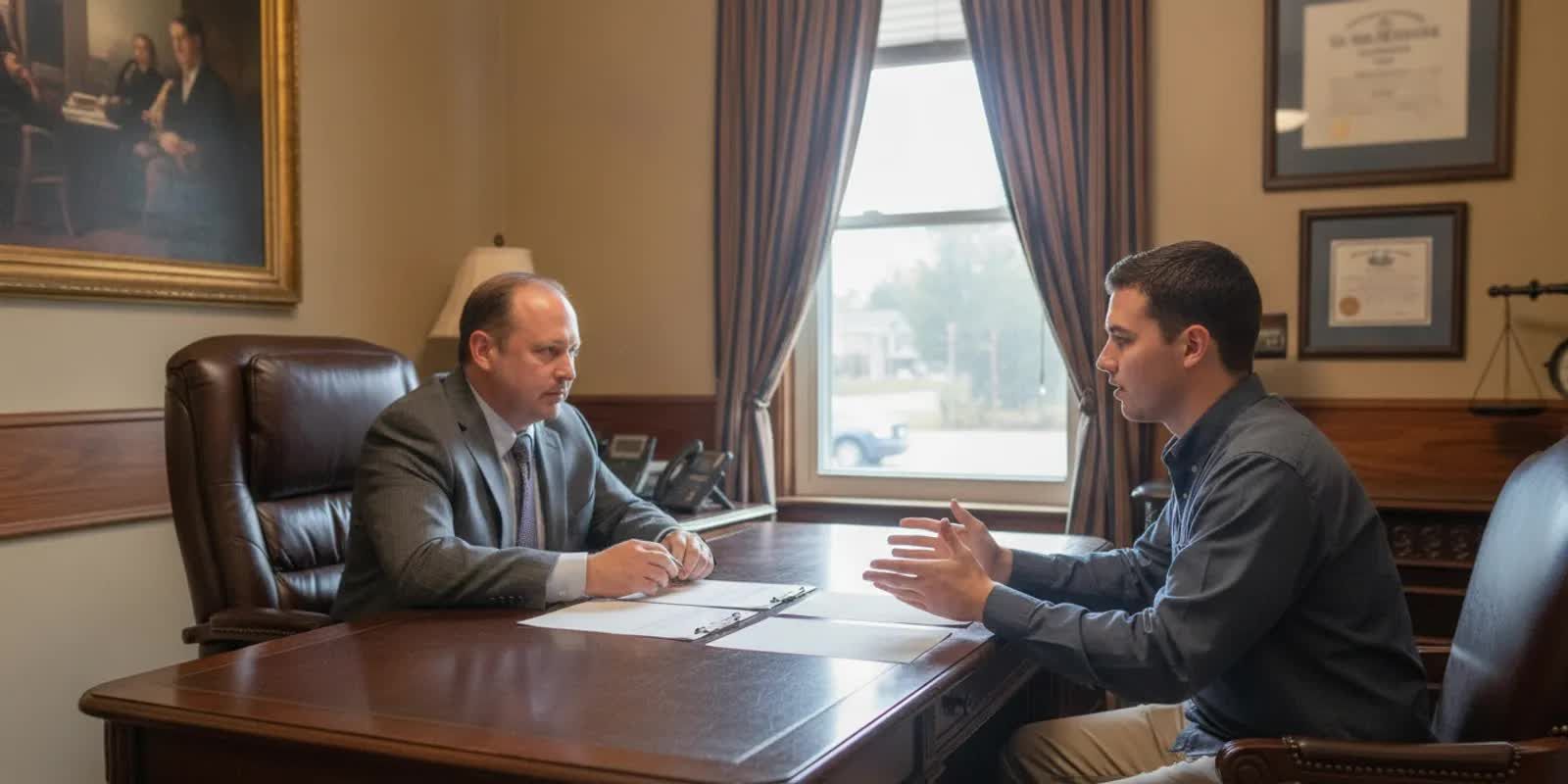
Use practical questions to compare Michigan DUI defense attorneys, understand evidence review and license issues, and prepare for a clear first consultation.
Michigan DUI Defense Attorney: What Should You Ask?
If you are comparing a Michigan DUI defense attorney after an arrest or charge, it can be hard to know what to ask. Start with questions that help you understand the lawyer’s experience with cases like yours, how the evidence will be reviewed, who will communicate with you, and whether any license issue is separate from the criminal case. You do not need to predict the outcome before you make that first call.
Call now for a free consultation
Why ask questions before choosing a Michigan DUI defense attorney?
A DUI or OWI case is not defined by its label alone. The circumstances of the stop, what was said and recorded, the type of test involved, the paperwork, and the charge itself can all matter. A short web page or a general promise cannot tell you how those details apply to your situation. A useful first conversation should help the lawyer understand the facts and help you understand how they would approach reviewing them.
Asking questions also lets you judge whether the communication style works for you. You may be worried about work, family responsibilities, driving, or an unfamiliar court process. It is reasonable to ask how you will receive updates, what the attorney needs from you, and what is still unknown. The answers should be specific enough to be useful without pretending that an outcome can be guaranteed.
Think of the consultation as a two-way information exchange. You can explain what happened as accurately as you can, share the documents you have, and ask about the next steps. The attorney can identify topics that need closer review, explain the scope of possible representation, and tell you what cannot yet be assessed. For background on the firm’s defense work, see its DUI defense overview. You can also read about Michigan DUI defense on the firm’s home page.
What should you ask about the lawyer’s experience?
Start with questions about relevant work, not a broad label or a slogan. You might ask whether the attorney represents people charged with Michigan OWI offenses, including cases involving a first charge, a prior charge, or a more serious allegation. If your situation involves breath or blood testing, ask whether the lawyer reviews those kinds of records and what information is needed to assess them. The answer should describe a process, not promise a result.
- What kinds of Michigan OWI matters do you handle?
- Have you reviewed cases involving the type of test or evidence in my case?
- What facts would you need before you can assess the case?
- Are there aspects of my case that would require separate legal work or another professional?
- Who would be responsible for handling my matter and communicating with me?
Listen for a clear explanation of what the attorney can assess now and what requires more information. A responsible answer may include limits. For example, a lawyer may need to see the report, test records, video, or charging documents before commenting on an evidence issue. If a lawyer says that a particular defense or outcome is certain before asking for basic facts, ask how that conclusion was reached.
Experience should be described accurately. Do not assume that a general claim such as “years in practice” tells you how a particular matter will be handled. You can review the firm’s attorney information and ask Gregory J. Boulahanis directly about his role in the case. The firm identifies its practice as established in 1989; that fact by itself does not predict the result in any individual matter.
How will the attorney review the evidence?
Ask what records and details the attorney would want to review and how those materials fit into an investigation. Depending on the circumstances, relevant information may include police reports, available video, test-related records, field-test observations, witness details, and the sequence of events. Not every item will exist in every case, and the importance of a particular item depends on the facts. The point is to learn whether the attorney will evaluate the available evidence rather than rely only on a brief summary.
Questions about testing should be precise. You can ask what records are relevant to a breath or blood test, what the attorney would need to see before discussing reliability, and whether the testing issue is part of the criminal case or another proceeding. Do not assume that the mere fact a test was taken proves every issue, or that raising a question about a test automatically resolves a charge. A professional assessment requires details.
You can also ask how the attorney handles gaps or conflicting accounts. Was a relevant event recorded? Do reports and video appear to describe the same sequence? Are there witnesses who may have useful information? These are prompts for fact gathering, not conclusions about what the evidence shows. Keep your own notes factual. Mark what you personally remember, what someone else told you, and what you are unsure about.
The firm describes reviewing evidence such as reports, video, and chemical or field-sobriety testing as part of its defense approach. Its description of how it works with clients can help you prepare follow-up questions. Ask what review applies to your case, what is not yet available, and when the attorney expects to be able to explain the issues more fully. Do not treat a general description as a finding about your own evidence.
What questions help you understand the court process?
Ask the attorney to explain the broad stages that may apply to your case and what you would be expected to do at each stage. The exact process depends on the charge, the court handling the matter, and the facts. Rather than rely on a generic timeline, ask what is currently known in your situation and which details still need confirmation.
- What is the next step that applies to my case?
- What should I bring or send before that step?
- Will you explain what I need to do before each court appearance?
- Who should I contact if I receive new paperwork or have a question?
- What decisions might come up, and what information would help me discuss them?
An attorney should distinguish general information from advice based on your file. If you do not understand a term, ask for it in plain language. You can ask how you will learn about significant developments and whether you should expect to attend a particular proceeding. The attorney should explain the answer as it relates to your matter rather than assume that every case follows the same path.
Be careful with broad statements about what “always” happens. A case can involve different facts and procedural steps. This article does not set out legal deadlines, determine which court has authority, or say what will happen in a particular case. Those questions need current, case-specific review. You can use the firm’s frequently asked questions as a starting point for topics to raise, then ask the attorney how the information applies to your own circumstances.
How should you discuss a license or implied-consent issue?
Ask whether you are dealing with a criminal charge, a separate implied-consent matter, or both. These are related to the same incident in some cases, but they are not interchangeable. A criminal defense engagement does not automatically mean that every administrative or license matter is included. Ask which issue the attorney is being asked to handle and whether any separate representation would need to be discussed.
If you received a notice, form, or other paperwork about a test refusal or driving privileges, keep it and show it to the attorney. Ask the attorney to review the actual document and explain what it appears to concern. Do not rely on a general online statement to determine a deadline, eligibility, or the effect of your specific notice. Those points require careful review and attorney confirmation.
Useful questions include:
- Does the paperwork raise a separate implied-consent issue?
- Is that issue included in the representation we are discussing?
- What documents should I provide so you can assess it?
- Are there steps or timing questions I should have you verify from the notice?
- How does this issue relate to, but differ from, the criminal charge?
Keep the scope clear. A question about a refusal proceeding is not automatically a question about a later request to restore driving privileges. The firm’s current priorities include OWI/DUI defense, implied-consent violation matters, and hardship-license matters in circuit court; it no longer handles license-restoration cases. Ask directly whether the specific matter you have in mind is within the firm’s current work. Do not assume one proceeding or service includes another.
What should you ask about communication and access?
Good communication is practical, not abstract. Before retaining a lawyer, ask who will be your main contact, how you should send documents, and how the attorney will share updates. Ask what to do if you have a question that is not urgent and how to reach the office if something important changes. You should understand the communication plan before you rely on it.
Some questions to consider:
- Will I communicate directly with the attorney handling the case?
- What is the best way to send records or new information?
- How will I receive updates about the case?
- What should I do if I receive a new notice or learn something relevant?
- What communication access is available after I retain the firm?
Boulahanis & Associates says retained clients receive the attorney’s cell phone number. Ask how that access works in practice and what kinds of matters should be raised through it. That is a specific service detail to clarify, not a promise of an immediate reply at any hour. The firm lists business hours, but do not infer that every message receives an instant response or that a response time is guaranteed.
Also ask how the attorney explains difficult or uncertain developments. You deserve a direct explanation of what is known, what remains open, and what choices may need attention. A lawyer should not need to tell you what you want to hear in order to communicate clearly. Use the first discussion to see whether you can ask questions comfortably and get answers you understand.
How can you compare the answers you receive?
Comparing lawyers is easier when you focus on concrete features of the conversation. The table below is a note-taking aid, not a scorecard or a substitute for legal advice. An answer that sounds confident is not necessarily more useful than one that carefully explains what remains unknown.
After each conversation, write down the main points in your own words. Note what the attorney said would need to be reviewed, what work was described, and what questions you still have. If an answer is unclear, ask for clarification before making a decision. Comparing a few specific points is more useful than trying to rank lawyers based on a single slogan, website claim, or generalized assurance.
What should you know about fees and the scope of representation?
Ask how the attorney’s fee and representation terms will be explained for your matter. Publicly available information may not tell you what representation will cost, and a free initial consultation does not mean the legal representation itself is free. Do not rely on another lawyer’s fee or a number you saw online to estimate this firm’s charge. Request a clear explanation for your specific situation before deciding whether to retain counsel.
Ask what the proposed engagement covers and what would fall outside it. For example, clarify whether the scope concerns the criminal charge only or also includes a separate implied-consent proceeding. Ask whether any additional matter would require a separate agreement. The answer should be recorded in the written engagement terms. If you do not understand a phrase in that document, ask before signing.
You can ask:
- What legal work is covered by the proposed agreement?
- Which court or administrative matters are outside that scope?
- How will the fee and any other terms be explained?
- What should I do if the case raises a separate issue not covered by the agreement?
These questions are not confrontational. They help both sides set a clear understanding of the work. A lawyer should not guarantee a particular result in exchange for a fee. The firm’s stated aim is to try to get the best result for each client based on that client’s circumstances, but no result can be promised.
How can you prepare for an initial consultation?
You do not need a perfect file or a polished account to make a useful first call. Gather what you already have and explain what is missing. If you have a citation, complaint, test-related form, court notice, or other paperwork, keep the full document, including pages that seem routine. Do not write on originals or discard envelopes and attachments that may help identify what you received.
Make a simple timeline for your own use. Record dates and events only as accurately as you can. Mark estimates as estimates and separate what you personally remember from what another person said. Include questions that arose after the incident. Avoid filling gaps with guesses. A lawyer can help identify which details matter and what needs verification.
It may help to list:
- The paperwork you received and when you received it.
- Names or contact details for witnesses, if you have them.
- Whether you know of video, photographs, or other records.
- The kind of test or notice involved, using the wording on the document if possible.
- Questions about court, communication, driving, work, or the scope of representation.
Share relevant information honestly, including facts you think may be unfavorable. Your attorney needs an accurate picture to assess the matter. If you are unsure whether a detail matters, mention it and say that you are unsure. Do not post sensitive case details publicly or send confidential material through a channel unless the firm has told you it is appropriate.
If you are outside the area or were visiting Michigan when the charge arose, say so at the beginning. The firm’s listed office is in Dearborn, and its service-area pages describe communities it serves, but a service-area page is not a separate office or a guarantee that a particular case will be accepted. You can review the communities listed by the firm and ask whether your location and case fit its current practice.
How should you explain the details of your charge?
Give the attorney the wording that appears on your paperwork, rather than trying to translate it into a legal conclusion. If you do not know the exact charge or are waiting for formal documents, say that. A person’s shorthand for an incident may not match the language in a report or court record. The attorney can help identify what the documents say and what needs further review.
Tell the attorney whether you have had a prior OWI or DUI matter, if that is relevant. Do not leave out a prior event because you are worried it will make the conversation uncomfortable. The attorney needs accurate information to understand the situation and identify questions that may be different from those in a first-charge case. The existence of a prior matter does not, by itself, tell you what the result or process will be.
If the incident involved an allegation beyond impaired driving, such as a crash or an injury, describe that fact plainly and bring any related paperwork you have. Serious allegations can raise issues that need their own careful review. Do not assume an article about a different kind of case answers your question. Ask the lawyer whether the firm handles the specific matter and who will explain its scope.
If you live outside Michigan or were visiting when the incident happened, make that clear early. Explain where you live now, where the incident occurred as you understand it, and whether you have documents or obligations in another state. Do not assume that your home-state license or distance from Michigan makes the Michigan matter disappear. Ask the attorney what information is needed to understand the cross-border details and what is outside the proposed engagement.
It can help to distinguish what happened from what you think it means. For example, state what you remember about a stop or a test, then separately list questions you have about whether those facts matter. This approach keeps the first discussion grounded in the details without asking you to diagnose your own case. If your memory is incomplete, be candid about that instead of filling in gaps.
How can you tell whether an answer is useful?
A useful answer responds to your question, identifies what the attorney knows, and explains what information is still needed. It may not settle every issue in a first conversation. The attorney may say that a video, report, test record, or notice must be reviewed before giving a meaningful assessment. That kind of qualification can be a sign that the discussion is tied to facts rather than a generic promise.
Notice whether the explanation is understandable. If the attorney uses an unfamiliar term, ask what it means in everyday language and why it matters to the issue being discussed. You should be able to explain the proposed next step back in your own words. If you cannot, ask for another explanation before moving forward.
Also notice whether the attorney invites relevant facts, listens without rushing to a conclusion, and distinguishes a possible issue from a confirmed one. No single communication style works for everyone, but you should feel able to raise reasonable questions. If the conversation leaves you uncertain about the scope or terms, ask for clarification in writing. A clear record can prevent a misunderstanding later.
What should you avoid assuming?
First, do not assume that every OWI or DUI case follows the same path. Charge labels and a few facts do not reveal the full evidence or determine how a case will be resolved. A lawyer needs to review the actual information. No ethical discussion should promise a dismissal, a reduced charge, a particular sentence, or a specific driving outcome before that review.
Second, do not treat criminal defense and license proceedings as one automatic package. Ask what is included and what separate representation may be needed. Third, do not assume that an online article supplies a deadline or decides whether you qualify for a particular option. Ask an attorney to review your notice and current circumstances. Fourth, do not assume that a consultation is the same as hiring a lawyer. The consultation is an opportunity to discuss the matter; representation depends on the parties’ agreement.
Finally, do not choose solely by a word such as “best” or “top-rated.” A superlative is not a description of how your evidence will be reviewed or how the attorney will communicate with you. Look for clear, accurate answers about relevant experience, process, scope, and uncertainty. You can also visit the official Michigan government website as a starting point for government information, but it does not assess your case or replace advice from an attorney.
What should you ask before you decide?
Before ending a consultation, summarize what you understand. Ask the lawyer to correct anything you have misunderstood. Confirm what documents to provide, what the proposed representation covers, who will communicate with you, and what question should be addressed next. If you need time to consider the engagement terms, ask how you can review them and follow up.
A decision should rest on fit and understanding, not pressure or a guarantee. The right attorney for you is someone whose relevant experience, explanation of the work, and communication approach you can evaluate. You may still have unanswered questions after one conversation. Write them down and raise them before you agree to representation.
Call Boulahanis & Associates for a free consultation
Frequently asked questions
What is the first question to ask a Michigan DUI defense attorney?
Ask how the attorney would begin reviewing the facts and what documents they need to understand your matter. You can then ask about relevant experience, communication, and the proposed scope of representation. The best starting question depends on the facts you bring to the conversation.
Should I bring paperwork to the consultation?
Yes, bring or ask how to send any paperwork you have, including notices, citations, and test-related documents. Keep complete copies and explain when you received each item if you know. Do not assume a general online discussion can replace review of the actual documents.
Does a DUI lawyer automatically handle an implied-consent matter?
Not necessarily. A criminal charge and an implied-consent issue are distinct matters, even when both relate to the same incident. Ask specifically whether the proposed representation includes each issue and whether a separate agreement may be needed.
Can an attorney promise what will happen in my case?
No attorney can responsibly guarantee a particular case result based only on a brief description. The attorney needs to review the case-specific facts and evidence, and some questions may remain uncertain. Ask for an explanation of the process and what can be assessed, rather than a promised outcome.
For a clear conversation about your circumstances, organize the information you have, ask direct questions, and make sure you understand the proposed scope before deciding whether to retain counsel.
| Topic | Question to ask | What a useful answer can clarify |
|---|---|---|
| Relevant experience | Have you handled matters involving facts or evidence like mine? | The lawyer’s relevant experience and the limits of what can be assessed before reviewing records. |
| Evidence review | Which records or materials would you want to examine? | What may be available, why it could matter, and what is still missing. |
| Case process | What is the next step in my case? | The known next action, your responsibilities, and issues that need case-specific confirmation. |
| License issue | Is this a criminal matter, an implied-consent issue, or both? | Whether the matters are distinct and what work is actually included. |
| Communication | Who will be my contact and how will updates work? | How to provide information, ask questions, and receive case updates. |
| Representation terms | What does the proposed representation cover? | The agreed scope, what is outside it, and the terms that should be put in writing. |