A first offense DUI lawyer can review your Michigan case, explain your options, and help you understand possible penalties and next steps after an arrest.

<p>After a first-time OWI arrest, it’s easy to focus on one question: “What’s going to happen to me?” You may also wonder whether the traffic stop was lawful, how breath or blood evidence was handled, and whether you can keep driving. A first offense DUI lawyer can review these issues and explain the legal steps ahead. That doesn’t mean a lawyer can guarantee a dismissal or prevent every penalty. It does mean you can get a clearer picture of your case before making important decisions. Read on to learn what to look for in Michigan counsel and what information to bring to your first meeting.</p>
<h2>Key Takeaways</h2>
<ul>
<li><strong>Speak with a Michigan OWI lawyer promptly</strong>: Share your paperwork and ask about court dates, evidence, and license-related deadlines.</li>
<li><strong>Base decisions on your specific case</strong>: Potential penalties and legal options depend on the charge, evidence, and driving history; no lawyer can promise a particular result.</li>
<li><strong>Compare experience, communication, and fees</strong>: Confirm the lawyer handles OWI cases like yours, who will work on your case, and what the fee includes.</li>
</ul>
<h2>What Does a First-Offense DUI Lawyer Do in Michigan?</h2>
<p>A first OWI arrest can leave you unsure about the traffic stop, test results, court process, and your ability to drive. A defense lawyer reviews the evidence, explains the legal steps that may apply, and helps you understand your options. The right approach depends on the facts of your case and the charge under Michigan’s OWI law.</p>
<h3>Review Your Arrest, Reports, and Test Evidence</h3>
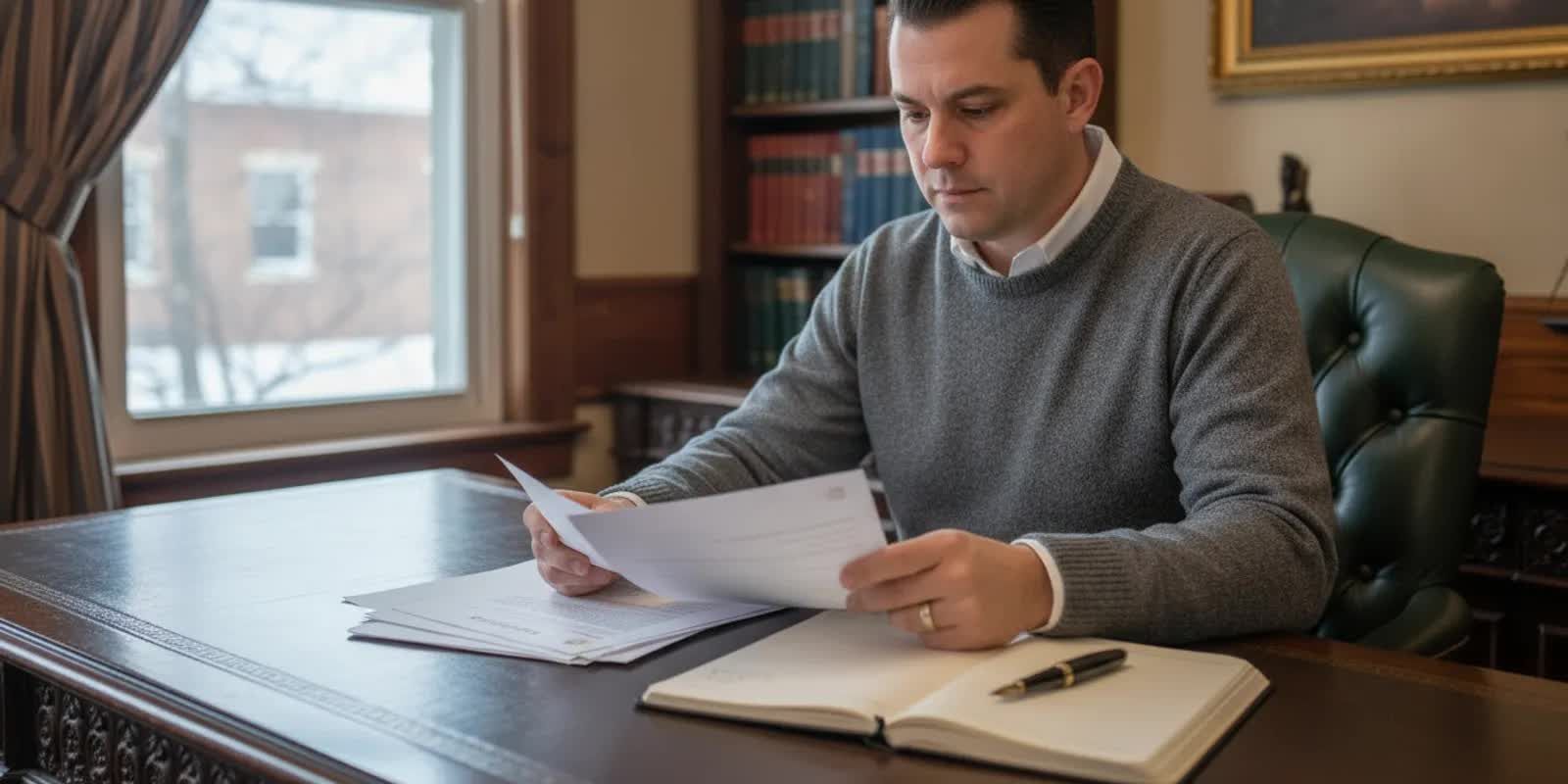
<p>Your lawyer can examine how the stop and arrest happened, then compare the police reports with other available evidence. That may include dashcam or body-camera footage, witness statements, and the officer’s stated reason for stopping you. The review can help identify questions about whether the stop, investigation, or arrest followed required procedures.</p>After a first-time OWI arrest, it’s easy to focus on one question: “What’s going to happen to me?” You may also wonder whether the traffic stop was lawful, how breath or blood evidence was handled, and whether you can keep driving. A first offense DUI lawyer can review these issues and explain the legal steps ahead. That doesn’t mean a lawyer can guarantee a dismissal or prevent every penalty. It does mean you can get a clearer picture of your case before making important decisions. Read on to learn what to look for in Michigan counsel and what information to bring to your first meeting.
Key Takeaways
Speak with a Michigan OWI lawyer promptly: Share your paperwork and ask about court dates, evidence, and license-related deadlines.
Base decisions on your specific case: Potential penalties and legal options depend on the charge, evidence, and driving history; no lawyer can promise a particular result.
Compare experience, communication, and fees: Confirm the lawyer handles OWI cases like yours, who will work on your case, and what the fee includes.
A first OWI arrest can leave you unsure about the traffic stop, test results, court process, and your ability to drive. A defense lawyer reviews the evidence, explains the legal steps that may apply, and helps you understand your o
Your lawyer can examine how the stop and arrest happened, then compare the police reports with other available evidence. That may include dashcam or body-camera footage, witness statements, and the officer’s stated reason for stopping you. The review can help identify questions about whether the stop, investigation, or arrest followed required procedures.
Your attorney may also examine how breath or blood evidence was collected, recorded, and stored. Inconsistencies or missing information could affect how the evidence is evaluated. Bring any paperwork you received, and write down your recollection while the details are still clear. Boulahanis & Associates defends Michigan OWI cases and can discuss how the evidence in a Wayne County case may shape the next steps.
Challenge Breath, Blood, and Field Sobriety Tests
Test results are part of the evidence, but a lawyer can review how the tests were conducted and whether the procedures raise concerns. For a breath test, that might mean examining the testing process, equipment records, and operator procedures. For a blood test, an attorney may review records related to collection, storage, and laboratory a
Field sobriety tests also deserve careful review. Your lawyer can consider the instructions given, the conditions at the scene, and factors such as an injury or uneven ground that may have affected your performance. A possible issue does not automatically mean evidence will be excluded. Your attorney can explain which concerns may matter and how they relate to the charge and available evidence.
Represent You in Court and at License Proceedings
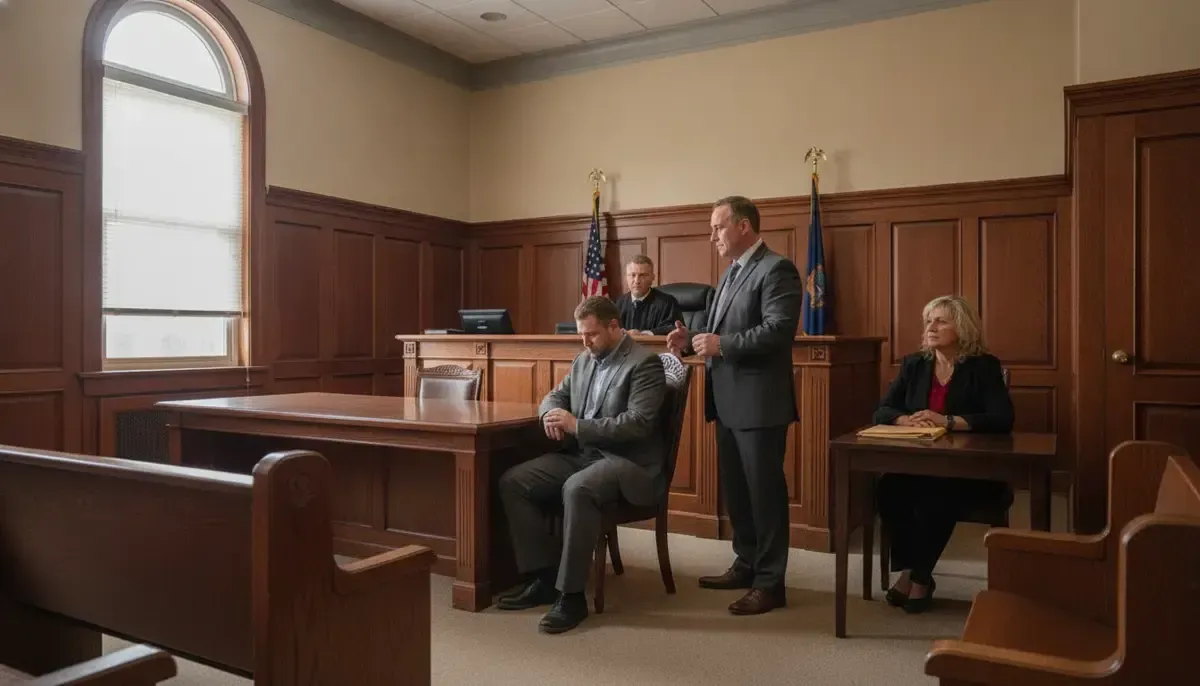
Your lawyer can guide you through court dates, explain possible responses to the charge, and represent you during hearings or discussions with the prosecutor. They can also help you understand whether a separate license issue applies. Criminal proceedings and actions involving driving privileges can follow different processes, so it is important to ask about deadlines and requirements for each.
Michigan’s license rules depend on the circumstances, including the charge and any prior record. The Michigan Secretary of State’s suspension information outlines common suspension and reinstatement issues. A lawyer can help you understand how those rules may apply to your situation and what steps to consider. Boulahanis & Associates offers a free initial consultation to discuss your case and questions about your driving privileges.
Why Hire a First-Offense DU
A first OWI charge can bring urgent questions about court, evidence, and your driving privileges. A lawyer can review the facts, explain the process, and help you understand your options. Boulahanis & Associates represents people facing DUI and OWI charges in Wayne County and offers a free initial consultation.
Recognize the Serious Consequences of a First Charge
A first offense does not automatically mean a minor outcome. Depending on the charge and circumstances, a conviction may lead to fines, probation, possible jail time, and limits on your driving privileges. You may also face costs and disruption that continue after your court case.
The details of your case matter. The evidence, your driving record, and the specific allegations can affect what happens next. A lawyer can review police reports and test results, explain the potential consequences, and help you keep track of deadlines. Early legal advice can also help you understand the choices in front of you before you make decisions about your case.
Clear Up Common Misconceptions About Hiring a Lawyer
You may think a lawyer is too expensive, or that a first OWI charge is simple enough to handle alone. But an OWI case involves more than a routine traffic ticket. It may include court appearances, evidence questions, and separate concerns about your license. A conviction can also bring fines, fees, and other last
A lawyer can explain what the prosecution must prove and whether the evidence may be challenged. They can also discuss possible paths forward and the risks of each option. Reading about common DUI misconceptions may help you question assumptions, but a Michigan attorney can explain how the law applies to your specific circumstances.
Understand That No Lawyer Can Guarantee an Outcome
Be cautious if an attorney promises a particular result. No lawyer can guarantee a dismissal, a reduced charge, or that you will avoid penalties. The outcome depends on the evidence, applicable law, and details of your case.
An attorney can assess the strengths and weaknesses of the evidence, explain your options, and represent your interests in court and in related license proceedings. During a consultation, ask how the lawyer will evaluate your case, what issues they see, and how they will keep you updated. Clear, realistic answers can help you decide whether their approach fits your needs, without relying on promises no attorney can control.
What Should You Look for in a First-Offense DUI Lawyer?
A first OWI charge can bring urgent questions about court, evidence, and your driver’s license. When comparing lawyers, look beyond general promises of help. Check their Michigan credentials, ask about their experience with OWI cases, and make sure they explain your options in clear, realistic terms.
Confirm Michigan Bar Status and DUI Defen
Start by checking that the lawyer is licensed to practice in Michigan. The State Bar of Michigan’s member directory lets you search for an attorney and review their status. Then ask how much of their practice focuses on DUI or OWI defense, and whether they have handled cases with circumstances like yours, such as a breath or blood test, an accident, or an alleged high blood alcohol content.
A lawyer with relevant experience can assess the evidence and explain potential legal strategies. Ask who will handle your case, what records they plan to review, and how they will keep you updated. Be cautious of anyone who promises a specific result. The firm’s DUI defense overview can help you learn more about its practice and the types of cases it handles.
Check Wayne County Court and OWI Experience
If your case is in Wayne County, ask whether the lawyer regularly handles OWI cases in the court assigned to you. Familiarity with local procedures, schedules, and court practices can help an attorney explain what to expect and prepare you for upcoming hearings. Local experience does not guarantee a particular outcome, but it can make conversations about the process more s
Ask whether the lawyer has handled cases involving facts similar to yours. Confidentiality may limit what they can share about other clients, but they should be able to describe their general approach. You can ask how they assess a traffic stop, field sobriety tests, or breath and blood test results. Also confirm who will appear with you in court and whom to contact with questions. A useful answer should be clear and practical, not based on claims of special connections or guaranteed results.
Review Relevant Training and Professional Associations
DUI defense can involve technical evidence and detailed legal procedures, so ask how the lawyer keeps their knowledge current. They may discuss continuing legal education, training related to breath or blood testing, or experience evaluating field sobriety test procedures. Their answers can help you judge whether their background fits the issues in your case.
You can also ask whether they belong to organizations focused on DUI defense, such as the National College for DUI Defense. Membership can be one helpful detail, but it does not replace relevant case experience or a careful review of your circumstances. Ask what training or resources they would use to assess your evidence. A lawyer should be able to connect their qualifications to the legal and factual questions in your case, rather than simply recite a list of credentials.
Consider Reviews and Ratings as Part of You
Client reviews can offer insight into how a lawyer communicates, responds to questions, and keeps clients informed. Read reviews on more than one platform, and look for recurring themes instead of relying on one especially positive or negative comment. Feedback about responsiveness, clear explanations, and respectful treatment may help you decide which lawyers to contact.
Reviews reflect individual experiences, not a prediction of how your case will turn out. Use them as a starting point, then ask direct questions during a consultation. Find out how quickly you can expect a reply, who will tell you about deadlines, and what information the lawyer needs from you. Be wary of anyone who guarantees a dismissal or a specific result. A careful lawyer will explain what they can investigate and what factors could affect your case.
What Penalties Can You Face for a First-Time OWI in Michigan?
A first-time OWI conviction can bring consequences beyond a fine or time in court. Depending on the charge and circumstances, you could face jail time, community service, alcohol education, and restrictions on your driving privileges. The penalties below are set by Michigan law, but what applies in your case depends on the specific charge and facts.
Understand OWI, Impaired Driving, and High-BA
Michigan law prohibits driving while intoxicated by alcohol or drugs. A driver can be charged with OWI if their blood alcohol concentration (BAC) is 0.08% or higher, or if alcohol or drugs impair their ability to operate a vehicle. A separate offense, operating while visibly impaired (OWVI), may apply when a driver’s ability is visibly affected, even if their BAC is below 0.08%.
A BAC of 0.17% or higher can trigger enhanced penalties under Michigan’s high-BAC law, often called the “super drunk” law. The charge can affect the possible penalties and license consequences, so it’s important to understand exactly what the police and prosecutor allege. The Michigan OWI statute describes the offenses and their penalties.
Review Fines, Possible Jail Time, and Other Court Penalties
For a first OWI conviction, Michigan law allows a fine of $100 to $500, up to 93 days in jail, and community service of up to 360 hours. A court may impose one or more of these penalties. The final outcome depends on the charge, the evidence, and the circumstances of the case.
A first high-BAC conviction carries a fine of $200 to $700 and up to 180 days in jail. A court may also order alcohol education or treatment. These are statutory penalties, not a prediction of what a particular person will receive. A lawyer can review the charge and evidence to explain which penalties may apply in your situation. The Michigan OWI law sets out the penalties for eac
Learn About License Suspensions, Restrictions, and Driving Privileges
A first OWI conviction can affect your license, even if you don’t receive jail time. For a standard first OWI, Michigan generally imposes a 30-day suspension followed by 150 days of restricted driving. A restricted license may allow specific trips, such as driving to work or school, but it does not permit unrestricted driving.
A first high-BAC conviction generally results in a 45-day suspension followed by 320 days of restricted driving with an ignition interlock device. The precise requirements depend on the conviction and your driving history. Review the Michigan Secretary of State’s license restrictions, and get advice about deadlines and permitted driving before getting behind the wheel.
Consider Insurance and Other Long-Term Effects
An OWI conviction can affect your insurance after the court case ends. Your insurer may raise your premiums, change your coverage, or decide not to renew your policy. The impact varies by insurer and driving history, so ask your provider how a conviction could affect your
A conviction may also appear in background checks and have consequences for employment or other plans. It can add points to your driving record, and a later offense may carry more serious penalties. An arrest is not the same as a conviction, and the result of your case matters. If you’re facing an OWI charge in Wayne County or nearby, Boulahanis & Associates offers a free initial consultation to discuss your situation and possible next steps.
What Legal Options and Outcomes Could You Face?
A first-offense OWI charge does not dictate the outcome. Your options depend on the evidence, the specific charge, and your driving and criminal history. A lawyer can review the case, explain potential risks, and help you decide what to do next. No attorney can guarantee a particular result.
Challenge the Stop, Arrest, or Test Evidence
Your lawyer can examine whether the officer had a lawful reason to stop your vehicle and whether the arrest followed legal requirements. They can also review how breath or blood samples were collected, tested, and documented. Field sobriety test results may be questioned too, especially if health, weather, road conditions, or unclear instructions affected your per
A test result does not settle every issue in a case. Problems with procedures or evidence may affect whether a result can be admitted or how much weight it receives. As DUI defense attorneys explain, charges can sometimes be challenged with case-specific defenses. The right approach depends on the facts and Michigan law.
Explore Negotiations, Reduced Charges, or Alternative Sentencing
Depending on the evidence and circumstances, your lawyer may discuss negotiating with the prosecutor. In some cases, a person charged with OWI may be able to seek a plea to a different offense, such as operating while visibly impaired. A proposed agreement is never guaranteed. The prosecutor and court, the facts, and your record can all affect what options are available.
If a conviction or plea occurs, possible sentencing terms may include probation, community service, or substance-use assessment and treatment. The specific terms depend on the case and court. Before agreeing to a plea, make sure you understand its effect on your record, driving privileges, and future obligations. Information about working with a DUI attorney can help clarify why it is important to understand the consequences before making decisions.
Assess How the Evidence and Charge Affect Possibl
The possible outcome can depend on the reported blood alcohol concentration, whether a crash or injury occurred, your prior record, and whether the prosecution can prove the charge. A high-BAC allegation may carry increased consequences compared with a standard first-offense OWI. Your driving privileges may also be addressed separately from the criminal case, so ask how each process could affect you.
A lawyer can review police reports, test records, and court documents, then explain the strengths and risks of your case. Be cautious of anyone who promises a dismissal or a specific sentence. When considering counsel, look for a clear explanation of the legal process and a case-specific plan. Boulahanis & Associates handles OWI cases in Wayne County and offers a free initial consultation.
What Does a First-Offense DUI Lawyer Cost?
There’s no single price for defending a first-offense OWI in Michigan. The fee depends on the facts of the case, the attorney’s experience, and the work involved. A case that requires detailed review of breath or blood test evidence may call for more time than one with fewer contested issues. When comparing lawyers, look beyond the initial quote: make sure you understand what it covers and which other costs you may need to pay.
Compare Flat Fees, Hourly Rates, and Paym
Many DUI defense lawyers charge a flat fee for a specific scope of work. Knowing the attorney’s fee in advance can make budgeting easier, but confirm what the fee includes. Ask whether it covers court appearances, negotiations, and license-related proceedings, and what would happen if your case requires additional work. A guide to DUI lawyer fees explains common fee structures and why it’s important to clarify the scope of representation.
Some lawyers bill by the hour, which means the total depends on the time spent on your case. Ask about the retainer, billing frequency, and how you’ll be notified as fees add up. If paying the full amount at once is difficult, ask whether the firm offers installments or other arrangements. Payment options differ between firms, as shown in this overview of legal payment plans.
Budget for Court Costs, Testing, and Other Expenses
Attorney fees may not cover every expense related to your case. Depending on the circumstances, you may also face court or filing costs, expert review, or independent analysis of breath or blood evidence. Ask which expenses are likely in your case, who pays them, and whether the lawyer will get your approval before arranging outside services. This overview of DUI defense costs outlines expenses that can sit outside an attorne
Other costs may arise after the court case, such as alcohol education or treatment requirements, license reinstatement fees, and higher insurance premiums. Which expenses apply depends on your circumstances and the case outcome. Ask your lawyer to identify possible costs and when they may be due, rather than relying on a general estimate as a promise of what you’ll pay.
Ask About Fees Before You Hire a Lawyer
Use your consultation to get clear answers before making a decision. Ask for the total attorney fee, what services it covers, what might lead to additional charges, and how the firm handles outside expenses. You can also ask who will manage your case and how the firm will tell you if the scope of work or cost changes.
Bring your citation, release paperwork, and any other documents related to your arrest. They may help the lawyer explain what work your case could require. Boulahanis & Associates offers a free initial consultation, where you can discuss fees, payment arrangements, and next steps for a Wayne County OWI case before deciding whether to hire the firm.
How Can You Find and Evaluate a DUI Lawyer Near You?
After a first-time OWI arrest, you may be dealing with court dates, paperwork, and questions about your license. Focus your search on lawyers who handle Michigan DUI or OWI cases and can explain what to expect in your situation. Directories, reviews, referrals, and a consultation can help you compare experience and communica
Check the Michigan Bar Directory and Legal Directories
Start with the State Bar of Michigan’s lawyer directory to check an attorney’s licensing information. Legal directories can also help you find lawyers who handle DUI or OWI cases, but treat listings as a starting point rather than an endorsement.
Review each attorney’s background for experience with first-offense cases, breath or blood test evidence, court appearances, and license issues. Look for information that speaks to the services you need, and note anything you want clarified. During a consultation, ask how the lawyer typically approaches cases like yours and what information they would need to assess your options. A lawyer should explain the process clearly, without promising a specific result before reviewing the facts.
Compare Reviews, Ratings, and Referrals
Reviews can offer insight into how a lawyer communicates, responds to clients, and handles the overall experience. Read multiple reviews and look for specific comments rather than relying on a single rating. Keep in mind that reviews reflect individual experiences and cannot predict how a lawyer will handle
You can also ask a trusted person for a referral, then research the attorney independently. Professional ratings and recognition may be useful points of comparison, but they do not replace questions about relevant experience. When reviewing an attorney’s online profile and ratings, check what the credentials represent and whether they relate to DUI defense. Use reviews to form questions for a consultation, not as the sole basis for choosing counsel.
Prepare for a Consultation and Ask Specific Questions
Gather the citation, police paperwork, court notices, and any records related to breath or blood testing. Bring notices about your driver’s license and write down important dates. If you do not have every document, attend the consultation anyway and explain what is missing. Organized information can help the lawyer understand the situation and identify immediate concerns.
Ask what penalties may apply, what happens next, and whether the lawyer handles license proceedings as well as the court case. Clarify who will work on your case, what the fee covers, and whether other costs may come up. Guidance on preparing for an initial DUI lawyer consultation recommends bringing case documents and asking direct questions about possible outcomes and fees. Be cautious of guarantees made before the attorney reviews the evidence.
Look for Wayne County Experience and a Clear
Ask whether the lawyer regularly handles OWI cases in the court where your case is pending. Familiarity with Wayne County courts can help the attorney explain local procedures and upcoming steps. Also ask about experience with issues relevant to your case, such as the traffic stop, chemical testing, or license consequences.
A lawyer should be able to describe the initial work they would consider, such as reviewing police reports and test records, identifying deadlines, and explaining possible options as more facts become available. You should leave the conversation with a clearer sense of what happens next, even if no one can predict the outcome. Boulahanis & Associates represents people facing DUI and OWI charges in Wayne County and the Dearborn area. You can contact the firm to discuss your situation and ask about a free initial consultation.
What Should You Do After a First-Time DUI Arrest?
A first-time OWI arrest can leave you unsure what to do next. Focus on three practical steps: organize your paperwork, be cautious about discussing the incident, and find out how the arrest may affect your license and upcoming court dates. An arrest is not a conviction, but missing a deadline or court appearance can create additional problems. Because the next steps depend on the details of your case, get legal advice promptly.
Keep Your Documents and Track
Keep all documents related to the arrest together. This may include your citation, bond paperwork, court notices, any notice from the Michigan Secretary of State, and available breath or blood test results. Note every court date and response deadline, and keep copies of anything you submit.
Bring these materials to your first meeting with a lawyer. They can help the attorney understand the timeline and identify questions that may need follow-up. Preparing for a DUI lawyer consultation includes gathering arrest paperwork and test information for review. If you receive a license-related notice, read it carefully and ask about any deadline right away. Do not assume you can wait until your court case is over to respond.
Be Careful When Discussing Your Case
Avoid posting about the arrest or sharing details in texts, emails, or social media messages. Statements may be misunderstood or become part of the evidence reviewed in your case. Do not delete messages or other records. If someone asks what happened, you can keep your response brief and speak with a lawyer before discussing details with people involved in the invest
You do not need to decide whether you are guilty before asking for legal advice. A first-time OWI case may involve questions about the traffic stop, the arrest, testing procedures, and how evidence was collected. An attorney can review those issues and explain your options. Avoid contacting witnesses to discuss their accounts unless your lawyer advises you how to proceed.
Ask Promptly About Your License and Next Steps
Ask a lawyer whether you received a license-related notice, what deadline applies, and how the arrest may affect your driving privileges. A chemical-test refusal can lead to a separate license process, with a deadline to request a hearing. The Michigan Secretary of State’s implied consent information explains the process; check your own notice and get advice promptly, since the facts of your case matter.
Also confirm your next court date, whether you must appear in person, and what documents to bring. Boulahanis & Associates represents people facing OWI charges in Wayne County and the Dearborn area. You can contact the firm for a free initial consultation to discuss your situation and the steps ahead.
Frequently Asked Questions
Does a first-time OWI arrest mean I will be convicted in Michigan?
No. An arrest is not a conviction. The prosecution must prove the charge, and a lawyer can review whether the evidence and police procedures raise issues i
Should I wait until my first court date to contact a lawyer?
It’s better to seek legal advice promptly. Notices related to your license may have separate deadlines, and a lawyer can help you understand what to do before your court date.
Can a lawyer challenge a breath or blood test result?
A lawyer can review how the test was administered and whether the collection, handling, or analysis followed required procedures. Whether an issue could affect your case depends on the evidence and circumstances.
Will a first-time OWI conviction affect my driver’s license?
It can. License consequences depend on the charge, your record, and other details. Ask about any notice you received and confirm deadlines before assuming you can continue driving.
What should I bring to a first consultation with an OWI lawyer?
Bring your citation, court notices, release paperwork, license-related letters, and any test information you have. If you’re missing documents, you can still ask for a consultation and explain what you have.n your case.igation.Deadlines Case Planyour case.tion style.y’s fee.ent Planse Outcomesformance. coverage.h offense.C Chargesr Researchpecific.se Experienceing effects.I Lawyer?nalysis.ptions. The right approach depends on the facts of your case and the charge under Michigan’s OWI law.
Review Your Arrest, Reports, and Test Evidence
<p>Your attorney may also examine how breath or blood evidence was collected, recorded, and stored. Inconsistencies or missing information could affect how the evidence is evaluated. Bring any paperwork you received, and write down your recollection while the details are still clear. Boulahanis & Associates <a href="https://www.waynecountyduilawyer.com/">defends Michigan OWI cases</a> and can discuss how the evidence in a Wayne County case may shape the next steps.</p>