Michigan DUI Vehicle Impoundment: What Can Happen After a Charge
Learn what may happen to a vehicle after a Michigan DUI arrest, what records to gather, and what to ask about holds, costs, ownership, and release.
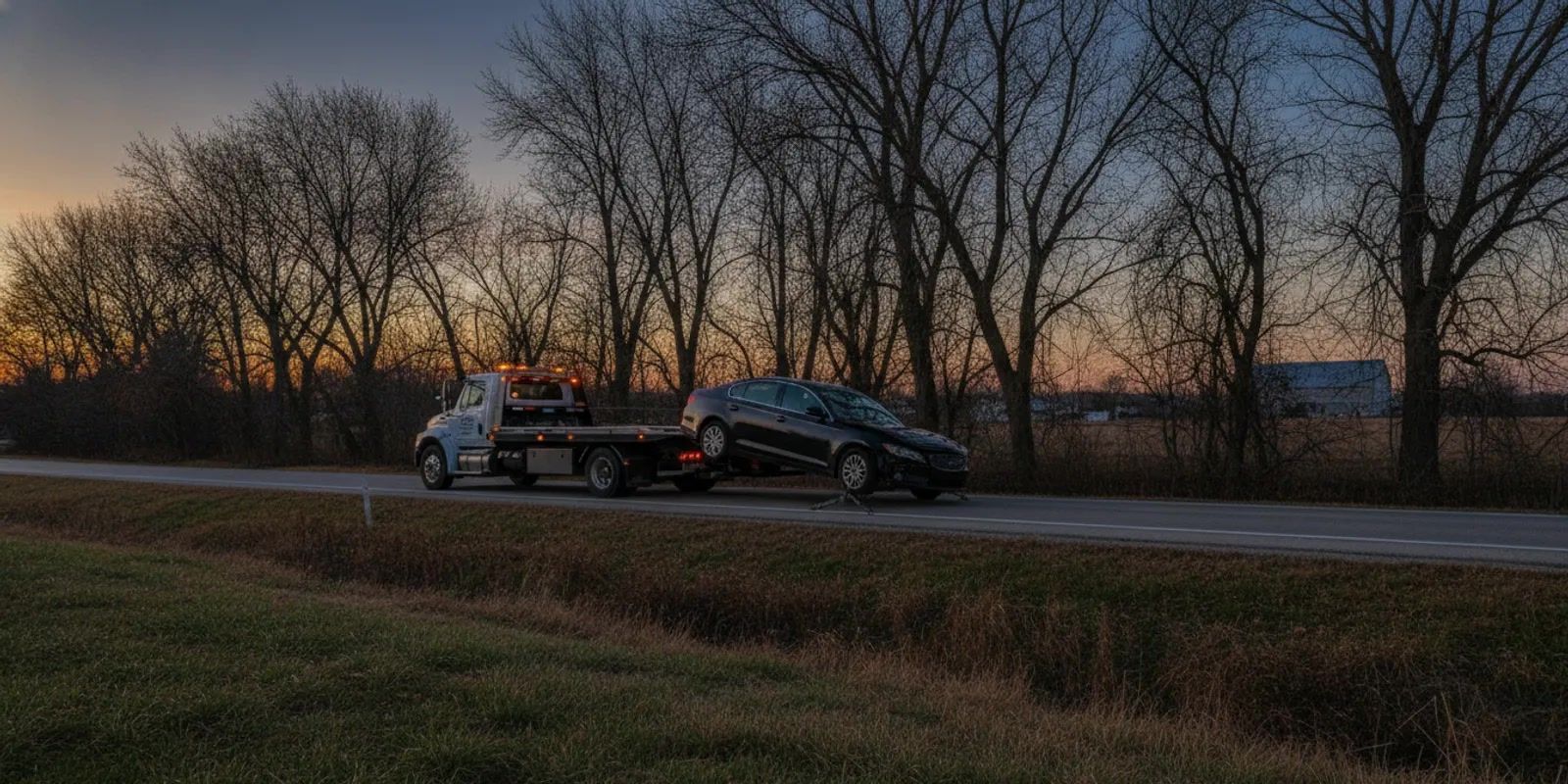
A Michigan DUI vehicle impoundment can disrupt work, caregiving, and ordinary travel while leaving a driver unsure who controls the car or what it will cost to retrieve. The first task is to identify the vehicle’s status, the party that ordered or maintains any hold, and the documents that explain the process. A tow does not by itself decide a criminal charge or establish that the vehicle will be permanently taken. This article offers general information, not legal advice; current rules and local procedures should be reviewed by an attorney.
Call now for a free consultation
What does vehicle impoundment mean after a Michigan DUI arrest?
In everyday use, impoundment often means a vehicle has been removed from where it was stopped and placed in a tow yard or other secured location. That practical description does not tell you the legal basis, who has authority to release it, or how long it may remain there. It also does not tell you whether the vehicle is merely stored, subject to an agency hold, or involved in a separate legal process. Those distinctions must be confirmed from the paperwork and the agency or entity involved.
People sometimes use “tow,” “impound,” “seizure,” and “forfeiture” as if they mean the same thing. They do not necessarily describe the same event. A tow can be a movement of the vehicle from a location. A hold can restrict release while an agency completes a process. A proceeding that could affect ownership is a different matter from ordinary storage. Do not infer that a tow receipt proves forfeiture, and do not assume a temporary tow means there can be no later property issue. Ask which status applies and request the source in writing.
Keep the vehicle question separate from the DUI or OWI allegation. The impoundment may raise questions about the scene, the basis for the tow, access to belongings, and fees. The criminal case concerns the accusation and evidence. One track can create practical information relevant to the other, but neither automatically resolves the other. A vehicle release does not end a criminal case, and a criminal case event does not necessarily clear a yard’s charges or an agency hold.
Why might a vehicle be towed or held?
There is no single explanation that fits every arrest, and this article does not state a universal Michigan rule about when a tow must occur. The facts may include where the vehicle was stopped, whether it blocked traffic or created a safety concern, whether an authorized person could lawfully take custody, what happened to the driver, and what local procedures apply. A tow may be arranged to clear a roadway or move an unattended vehicle; a separate agency decision may also affect whether it can be released. The reasons and consequences are not interchangeable.
Begin with what you know, not what you assume. If you heard an officer say the car was being towed “because of the arrest,” write down the words you remember, when they were said, and who was present. Do not convert that recollection into a definite legal explanation. The tow authorization, inventory, tag, incident paperwork, or an agency’s later written response may clarify the basis. If no document has been provided, note that too.
- Scene circumstances: Record the approximate location, time, road conditions, and whether the vehicle could safely remain there.
- Who arranged the tow: Identify the law-enforcement agency, officer information available to you, towing company, and storage yard.
- Reason communicated: Save any tow slip, inventory, impound notice, release notice, citation, or written explanation.
- Current hold status: Ask the yard whether it shows the vehicle as available or restricted, then confirm with the agency that may control the hold.
- Ownership and authority: Identify the registered owner and ask what proof or written permission is required for that owner or another person to act.
- Timing and charges: Record when the vehicle arrived, when charges began according to the yard, and what charges may continue.
A verbal statement is a starting point, not a substitute for an exact status. The yard may know its own release checklist and balance but not the legal reason an agency placed a hold. An agency may confirm a hold but not have the current amount owed to the yard. Ask each party a narrow question, note the answer, and avoid treating one party’s information as a complete account of the other’s process.
What should you do first if the vehicle is in a tow yard?
First locate the vehicle and establish who can answer each part of the question. Use the tow slip or information given by the law-enforcement agency. If you do not know which yard has it, contact the agency that handled the stop and ask how to identify the destination. Have the plate, make, model, color, and owner’s name available. If possible, keep the vehicle identification number (VIN) nearby, but do not delay asking where the car is because you are still searching for every detail.
- Write down the vehicle identifiers. Note the plate number, make, model, color, VIN if available, and the name shown on the registration. Check that each digit is accurate before giving it to the yard.
- Ask where the vehicle is and when it arrived. Confirm the exact yard address, the yard’s phone number, and whether it has the vehicle in its system. Ask if the arrival date and time are known.
- Ask whether release is currently allowed. Use direct wording: “Does your system show an agency hold?” and “If so, which agency should I contact to confirm whether it is cleared?” Ask for the name of the agency or unit and any reference number.
- Ask the agency to clarify its role. Confirm whether it ordered the tow, placed a hold, or simply provided information about the destination. Ask what document or step explains the current status. Do not presume the yard can remove an agency restriction.
- Get a fee breakdown. Ask for the amount currently due, the basis or description of each charge, when additional charges may accrue, and the accepted payment methods. Request an itemized statement or written estimate if available.
- Confirm who may retrieve the vehicle. Ask what identification, registration, proof of ownership, insurance document, or written authorization is required. Requirements may differ for a registered owner, a person authorized by that owner, or a person named on the vehicle documents.
- Plan the trip before leaving. Confirm the yard’s hours, whether it requires an appointment, whether release can happen that day, and whether the person collecting the car can lawfully and safely drive it away.
- Save the record of every contact. Write the date and time, number called, name or role of the person, question asked, answer, and any next step. Keep receipts, emails, messages, and forms together.
For example, suppose the yard says, “The car is here, but it is not releasable.” That answer leaves two separate questions: what balance or yard requirement remains, and whether an agency hold exists. Ask the yard to identify the hold source, then contact that agency to ask what status it can confirm and how it will communicate a change. If the yard instead says “no hold,” ask what documents and payment are needed and whether another owner may collect it. In either case, write down the answer rather than relying on memory.
Do not argue at the counter or sign a document you do not understand. You can ask for a copy and time to review it. If you need to retrieve personal property before the vehicle can be released, ask whether the yard permits a property-only visit, who must attend, whether an appointment is required, and what identification is needed. Do not enter a restricted area or remove anything without permission. Procedures vary, so confirm before traveling.
How can you compare the answers from the yard and the agency?
When two organizations are involved, their answers can sound inconsistent because they are addressing different parts of the problem. A yard may explain storage charges and pickup requirements. The agency may speak to the reason it ordered a tow or whether it has an active hold. A person who says “you need to pay first” may be describing the yard’s rule, not confirming that the agency restriction is cleared. A person who says “the hold is cleared” may not know whether the yard has received that notice or whether its charges are paid.
Use a short comparison record rather than trying to reconcile everything from memory:
| Question | Tow yard may clarify | Agency may clarify | Record to keep |
|---|---|---|---|
| Where is the vehicle? | Whether it is physically in the yard and its inventory identifier | Destination information if the yard is unknown | Address, contact details, arrival time if available |
| Can it be released now? | Its release checklist and system status | Whether an agency hold exists or has changed | Exact wording, name or role, date and time |
| What will pickup require? | Identification, authorization, payment, hours, and collection procedure | Any agency step or document that must occur first | Written checklist and any reference number |
| What does it cost? | Itemized charges, current total, and possible future accrual | Whether the agency charges a separate fee, if applicable | Estimate, receipt, and dates each amount was quoted |
The table is a question-planning aid, not a statement that every agency or yard uses the same process. If one answer changes, ask the person providing the new information to identify what changed and when. If the yard has not received a release update that an agency says was sent, ask what channel or reference number can help the two parties verify it. Do not assume an informal phone conversation has changed a formal status unless the responsible party confirms that.
What records can help counsel assess the impoundment?
A concise chronology helps a lawyer understand what happened without mixing firsthand observations, later explanations, and assumptions. Start with the stop and continue through the tow and each retrieval attempt. Use approximate times when exact times are unknown, and label them as estimates. Mark who supplied each fact. For example: “At about 10 p.m., I saw the vehicle loaded onto a truck” is different from “The yard employee told me the vehicle arrived at 10:45 p.m. the next day.” Both may matter, but their sources differ.
- The tow slip, inventory, impound notice, release notice, and any citation, arrest, or incident paperwork provided to you.
- The law-enforcement agency and tow company names, the yard’s address and contact details, and any reference or incident numbers.
- Call notes and written communications, including the date, time, person or role, question, answer, and any promised follow-up.
- Registration and proof of ownership, plus authorization papers if a different person may act for the owner.
- Receipts, itemized bills, written estimates, and a dated list of storage or towing amounts quoted or paid.
- Photographs of the vehicle’s location or condition, if lawfully available, and a note about when and how each photograph was made.
- A list of personal belongings inside, especially items needed for work, caregiving, or daily responsibilities, and any permitted effort to retrieve them.
- Any messages that explain why the vehicle was towed, whether a hold exists, or what must happen before release.
Put papers in date order and keep originals safe. A simple folder can have sections labeled “tow and inventory,” “yard contacts,” “agency contacts,” “ownership,” and “charges.” If you scan or photograph documents, check that all pages and fine print are readable. Keep a separate running timeline so counsel can quickly see what remains unknown. Preserve the original messages and receipts rather than keeping only a typed summary.
Do not alter, discard, or publicly post material related to the incident. If you believe property is missing or the vehicle is damaged, make a factual record promptly and ask counsel how to preserve and report the concern. Avoid making accusations online or contacting witnesses to coordinate accounts. A documented expense may help describe the impact, but keeping receipts does not guarantee reimbursement or a particular result.
How is the vehicle issue different from the DUI case?
A DUI or OWI prosecution concerns an allegation and the evidence relevant to it. Vehicle storage and retrieval concern custody, access, charges, ownership, and possibly a distinct administrative or property process. A tow does not establish guilt. Resolving a tow-yard issue does not resolve a criminal charge. Likewise, retaining counsel for a criminal defense should not be taken to mean that every separate property or administrative matter is automatically included.
When you speak with an attorney, describe both tracks clearly. Ask whether the proposed discussion or representation includes review of the impoundment basis, or is focused on the criminal charge. Confirm the scope of any engagement rather than assuming it includes a separate hearing, property dispute, or release request. The firm’s DUI defense overview describes its criminal-defense focus. It is useful to understand that focus, but it is not a promise that every vehicle question is part of a criminal case engagement.
It can help to prepare two lists before a consultation. In the first, put questions about the vehicle: location, hold, documents, cost, owner, and next step. In the second, put questions about the criminal case: the paperwork received, upcoming court information, and evidence or events you want counsel to review. This prevents a discussion of one issue from obscuring the other. If a vehicle document seems relevant to the criminal matter, flag it and ask whether counsel wants the original or a copy.
What questions should you raise with defense counsel?
Bring the available paperwork and ask questions that can be answered from the actual record. Counsel may need to review documents before assessing the situation. Useful questions include:
- Which person or agency authorized the tow, and what document identifies the reason?
- Does a hold prevent release, and which agency can confirm its status?
- What steps, if any, may be considered to request release or challenge the stated basis?
- Does the tow, inventory, or timing raise an issue that should be preserved for the criminal case?
- Does any notice identify a deadline or process that needs prompt review?
- What amounts have accrued, how can I document them, and is there a separate process for disputing a charge?
- Is the vehicle matter within the proposed representation, or does it require separate advice or action?
- Would it help to have the registered owner attend or provide written authorization?
- Which facts are still missing, and who should request them?
Do not rely on a general article for a specific deadline, release rule, eligibility decision, or promise. The notice wording, agency, ownership, timing, local process, and current law may affect the analysis. Ask an attorney to review the actual documents. If counsel cannot answer until records are obtained, ask which records matter most and how you can preserve them. Avoid treating a hypothetical answer as a conclusion about your own vehicle.
What if the vehicle belongs to someone else?
The registered owner may be a spouse, parent, employer, leasing company, or another person who was not driving. The owner may receive notices or be the person the yard expects to deal with. The driver should not assume that being in possession of the car gives authority to make every decision for the owner. Nor should an owner assume that ownership alone removes an agency hold or eliminates the yard’s release requirements.
Ask the yard exactly what the owner must bring and whether another person can collect the car with written permission. Confirm what form of authorization is accepted, whether a copy of the owner’s identification is required, and whether the owner must be present. Do not send sensitive identification documents through an unverified channel. If the vehicle is leased, financed, or part of an employer’s fleet, review the relevant agreement and notify the responsible party as appropriate. Keep communications factual and retain copies.
Consider a common example: a parent owns a vehicle used by an adult child who was arrested. The parent may be able to ask the yard about ownership documents and charges, but must verify whether the agency has placed a hold and what the parent must do to seek release. A second example is a work vehicle. The employee may need to report the vehicle’s location to an employer, but should not promise a release date or undertake a retrieval step without confirming authority and the employer’s requirements. These examples illustrate questions, not a universal rule about who is entitled to retrieve a vehicle.
How can you reduce avoidable confusion and expense?
Organized, prompt questions can clarify the process, but cannot guarantee release or lower charges. Call the yard and agency separately when necessary because each may hold different information. Ask the yard how charges are calculated, what amount is due now, and whether charges may continue while a hold remains. Ask whether there is a written fee schedule or itemized statement. Record the response and the date; do not rely on a rough estimate as a final bill.
Before traveling, confirm the exact location, hours, payment options, identification requirements, authorization documents, and whether the vehicle can be released that day. Confirm who is permitted to drive it away. If the driver cannot safely or lawfully drive, arrange another authorized driver or ask the yard what other permitted arrangement is available. A friend’s willingness to help is not enough if the yard requires the registered owner or written authority.
Ask about personal property separately from vehicle release. A yard may have a process for retrieving belongings even if the car itself cannot yet leave, but do not assume it does. Confirm whether an appointment is needed, whether an owner or agent must be present, whether the visit is supervised, and what items may be removed. Make a short list of essential items before calling so you can explain the need clearly. If an item is not accessible, note the answer and ask counsel whether it creates a concern that should be addressed.
When practical needs are pressing, distinguish urgency from proof. A work schedule, caregiving duty, or mobility need may explain why timing matters, but it does not itself establish a legal entitlement to release. Tell the relevant party what the practical issue is and ask what process exists. Keep a record of the request and response. Avoid paying an amount you do not understand without first asking for an itemization and, where appropriate, speaking with counsel about the document or dispute.
For local contact information and a way to discuss a case, use the firm’s contact page. The available research source on vehicle impoundments and drinking-and-driving license suspensions is a study, not a guide to an individual vehicle’s release or a statement of current Michigan procedure. It concerns the broader relationship between impoundment and license-suspension compliance; it should not be used to infer what will happen in a particular case: Vehicle impoundments and drinking-and-driving license suspensions.
Frequently asked questions
Does a tow mean the vehicle will be forfeited?
No conclusion about forfeiture follows from the fact of a tow alone. Ask which status applies and request the document or agency confirmation. Temporary storage and a separate process that could affect ownership are not interchangeable.
Can someone else retrieve the vehicle?
Possibly, but the yard and any agency with a hold may require particular identification or written authorization. Confirm requirements with both before arranging a pickup. The registered owner’s involvement may be needed, but do not assume either that it is always required or that verbal permission is sufficient.
Will resolving the tow resolve the DUI charge?
No. The vehicle’s location and the criminal charge are distinct matters. Release from storage does not end a prosecution, and a criminal case outcome does not automatically settle every tow or property issue.
Can a lawyer guarantee that the vehicle will be released?
No general answer can promise release without reviewing the circumstances and applicable process. An attorney can review available documents and explain what options may be considered, but results depend on the facts and current rules.
What should I bring to a consultation?
Bring the tow receipt, notices, ownership information, fee statements, and a short timeline of calls and events. If a document is missing, bring your notes about who may have it and what you were told. This helps identify what needs review without assuming a particular outcome.
Talk with counsel about the facts and paperwork
Make a concise packet with the vehicle identifiers, tow and hold documents, ownership information, itemized charges, and a dated chronology. Separate confirmed facts from things you were told or still need to verify. Ask what the attorney’s review would cover, including whether the vehicle issue is distinct from the criminal defense matter.
Contact Boulahanis & Associates
Because every impoundment turns on its own paperwork and circumstances, keep the records and seek advice based on the specific facts and current procedures.