DUI Constitutional Rights in Michigan: A Plain-Language Guide
Learn how constitutional issues can arise in a Michigan DUI investigation, what records may help clarify events, and what to discuss with a defense lawyer.
If you are researching DUI constitutional rights Michigan law may raise questions about a traffic stop, roadside investigation, testing, questioning, or what happens in court. A constitutional concern is not automatically a defense, and a concern alone does not determine the outcome. The details, available records, and governing law all matter.
Call now for a free consultation
This guide gives a general overview of issues that may arise in an OWI or DUI case. It is not personalized legal advice. The constitutional rules that apply to a particular event can depend on its facts and procedural stage, so an attorney should review specific legal claims before anyone relies on them. Boulahanis & Associates handles DUI/OWI defense in Michigan, including matters in Wayne County and nearby communities.
What constitutional questions can come up in a Michigan DUI case?
A DUI investigation can involve several separate events. An officer may observe a vehicle, make a stop, ask questions, request roadside tests, seek a chemical test, or take a person into custody. A prosecutor may later use reports, recordings, test results, or statements in court. Each stage can raise different questions. It is usually more useful to identify the exact event and evidence than to treat âÂÂmy rights were violatedâ as a complete explanation.
Constitutional protections can relate to government conduct, including a stop or search, questioning, access to legal process, and the fairness of a prosecution. State and federal rules may both matter. The precise legal test is fact-specific, and a constitutional issue must be assessed in the context of the full case. Some issues may affect whether evidence can be used; others may shape how evidence is evaluated or what arguments are available. No single issue guarantees that a charge will be dismissed or that a particular result will follow.
For an overview of the firmâÂÂs DUI defense work and evidence-review approach, see DUI defense services. That overview is not a substitute for review of an individual case.
How can a traffic stop raise a constitutional issue?
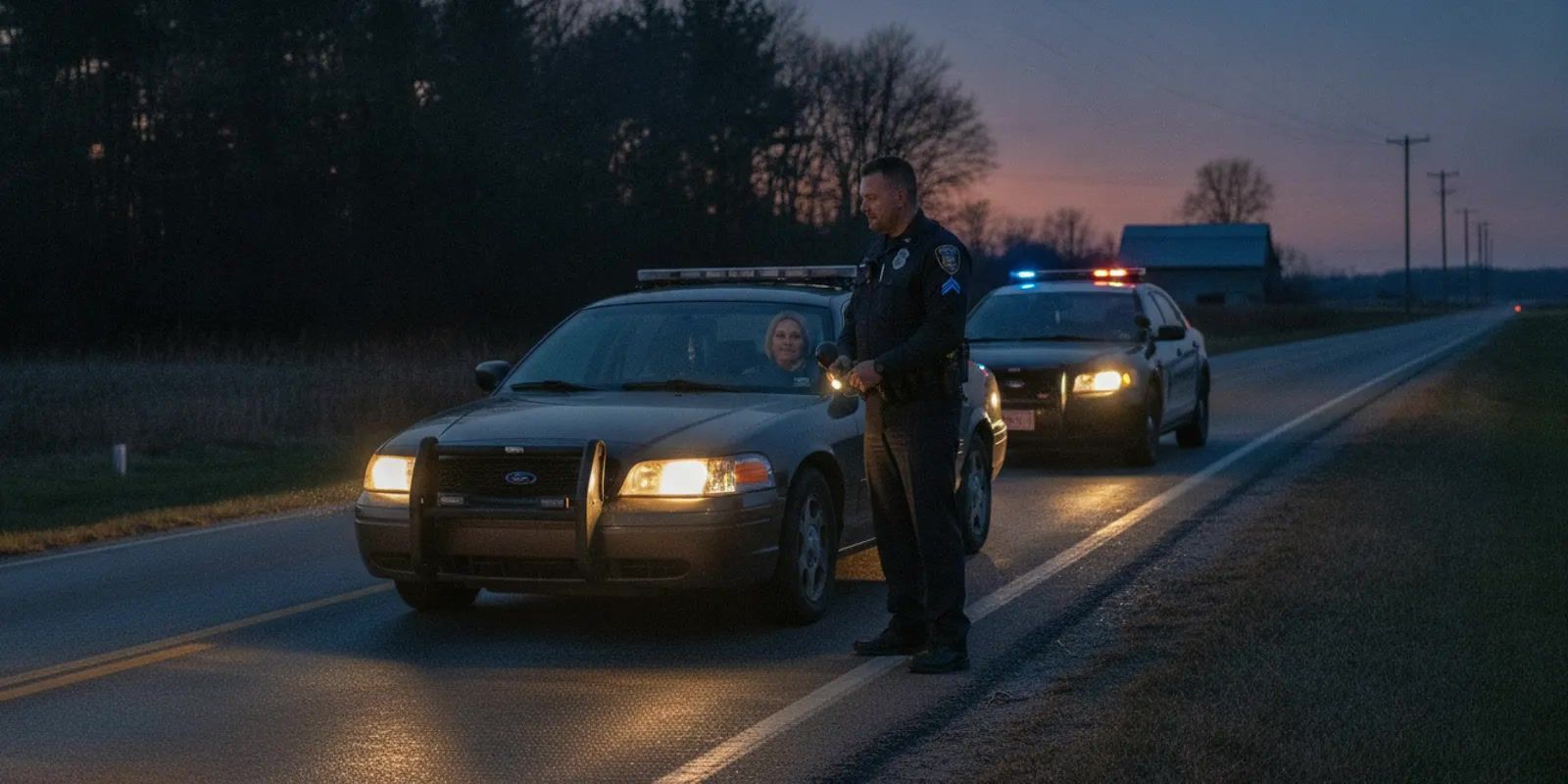
A stop is often the first major event to examine. Relevant questions may include what the officer observed before initiating the stop, what the officer communicated, when the driver was directed to stop, and whether the reason described at the scene matches the account in later records. The fact that a stop occurred does not by itself show that it was lawful or unlawful. A lawyer needs the particular facts and applicable law to evaluate it.
Memory can be incomplete, especially after a stressful encounter. Try to separate what you personally remember from what you learned later. For example, note whether you recall seeing emergency lights, hearing a reason for the stop, being asked to move the vehicle, or having a conversation before the officer mentioned suspected impairment. If you do not remember a detail, mark it as uncertain rather than filling in a gap.
Potential records can include an incident report, dispatch information, dash-camera footage, body-camera footage, photographs, and statements from passengers or other witnesses. The availability and contents of records vary. A recording may begin after an event or fail to capture a particular angle or conversation. It should be compared with other evidence rather than treated as a complete account by itself.
What should you know about roadside questions and testing?
Officers may ask questions during an OWI investigation. The setting, timing, whether a person was free to leave, and how the exchange unfolded can matter when counsel evaluates a statement. A question asked during an encounter is not automatically treated the same way as a statement made in every other setting. Do not assume that a familiar phrase or a single moment resolves the legal analysis.
Roadside sobriety exercises and preliminary testing can also become part of the evidence. The important inquiry is not simply whether a test happened. Counsel may need to review what was requested, what instructions were given, how the exercise was conducted, the conditions at the location, and what the officer recorded. Lighting, weather, footwear, surface conditions, health issues, language, and stress may help explain the context, but their relevance depends on the facts and evidence.
A roadside device and a later chemical test are not necessarily the same event or evidence. If testing occurred, write down what you remember about when and where it occurred, what was explained, what you were asked to do, and who was present. Keep copies of paperwork. Do not try to interpret a result in isolation or assume that a test label answers every question about collection, procedure, or meaning.
For a discussion focused on one roadside testing question, read the firmâÂÂs overview of portable breath-test reliability. It is one topic within a broader investigation, not a conclusion about any particular case.
When can questioning and statements deserve closer review?
Statements may arise at the roadside, during transport, at a station, or later in a recorded or written exchange. A lawyer may ask what was said, who asked the questions, whether the person was in custody, whether questioning continued, and whether the record accurately reflects the exchange. These details can be more important than a general recollection that âÂÂthe officer asked questions.âÂÂ
Constitutional protections around custodial questioning are not a simple rule that every person must receive a warning before any question. Whether a particular protection applies depends on the circumstances and law. Similarly, a personâÂÂs decision to answer or not answer can have case-specific consequences. This article does not recommend a response to police in an individual encounter. If you are involved in a case, discuss the details with a lawyer rather than relying on a slogan or an online checklist.
Record what you remember without editing it to sound more favorable. Include approximate times, the location, the people present, questions you recall, and any words that stand out. Mark direct quotations only when you are confident of the wording. If a report later describes the exchange differently, the comparison can be reviewed with the full record.
How can chemical testing raise evidence and rights questions?
Breath, blood, and other chemical-test evidence can involve several steps. Depending on the method and case, an attorney may want to understand what test was administered, how the sample was obtained or analyzed, what records exist, and how the result is connected to the rest of the investigation. Whether a legal or constitutional issue exists cannot be determined from the fact that a test was requested or completed alone.
Keep documents you received and make a note of the sequence as you remember it: when you were asked about testing, where it took place, whether there was a delay, and whether you recall any explanation or paperwork. Do not alter or discard records. If you have questions about a test or a request, have counsel review the actual documents and circumstances. Different testing and licensing issues may involve distinct legal processes; one should not be treated as automatically resolving the other.
The firm also discusses blood-test accuracy and possible testing errors. A general article cannot determine whether a specific sample or result is reliable, admissible, or subject to challenge.
What does a search or seizure question involve?
A DUI investigation may involve a search of a vehicle, personal property, or a biological sample. The legal analysis can turn on what was searched or collected, where and when it happened, what authority was claimed, what the person was told, and the surrounding circumstances. The word âÂÂsearchâ can cover different actions, and not every evidence-gathering step follows the same rules.
When reviewing a possible search issue, counsel may compare the officerâÂÂs report with video, photographs, inventory records, forms, and any available witness account. The timing matters. For example, a review may distinguish what happened during the initial stop from events later in the investigation. A person should not assume that a search was permitted or prohibited merely because it felt intrusive or because a particular form was signed.
If you have documents about a search or collection, preserve the complete copies. Note whether you recall being asked for permission, what you understood, and whether the interaction was recorded. Do not add conclusions to your notes; factual observations are easier for counsel to evaluate than a legal label. An attorney can assess how the facts fit the governing rules and whether the issue has practical significance in the case.
How do constitutional issues differ from licensing proceedings?
A criminal OWI/DUI case and a driver-license matter can be related but distinct. Different questions, records, decision-makers, procedures, and timing may apply. A constitutional argument in a criminal case does not necessarily answer a separate licensing question. Likewise, a licensing issue should not be assumed to resolve the criminal charge. The actual paperwork and case posture matter.
Read each notice carefully and keep the envelope or delivery information if available. Make a clear list of dates shown on the documents, but do not infer a universal deadline from an article or another personâÂÂs situation. Because legal deadlines and procedures require attorney review, speak with counsel promptly about the notices you received. This guide does not state or calculate a deadline for any reader.
For general background about Michigan government services, the State of Michigan website is an official starting point. It is not a substitute for legal advice or a case-specific assessment, and readers should verify that information applies to the issue they are researching.
What records can help a lawyer assess a possible rights issue?
A useful consultation begins with organized information, not a perfect legal theory. Gather what you have, keep original files intact, and identify what is missing. An attorney can determine which records may be relevant and what steps are appropriate to seek or review them. You do not need to prove a violation before asking for an evaluation.
- Charging and court papers: Keep citations, notices, complaints, bond paperwork, and any documents showing a case number or scheduled proceeding.
- Police and test paperwork: Save copies of reports, forms, test-related documents, receipts, and any instructions or explanations you received.
- Your timeline: Record approximate times and events, separating what you recall from what a document or another person later told you.
- Potential recordings: Note whether you know of dash-camera, body-camera, phone, business, or doorbell footage. Preserve any recording you already have in its original form.
- Witness information: Write down names and contact details for people who may have observed relevant events, along with what you believe each person saw.
- Questions and uncertainties: List what you do not understand, such as a difference between your recollection and a report, rather than trying to resolve it yourself.
Do not post a detailed account of an active case publicly or edit a recording to remove context. Ask a lawyer how to handle communications and evidence. Avoid contacting a witness in a way that could be misunderstood or interfere with a proceeding. The safest next steps depend on the matter and should be discussed with counsel.
How can you organize the issues without jumping to conclusions?
A simple comparison can help you prepare questions. It does not decide whether a right was violated. It identifies the stage, the records that may shed light on it, and the kind of question to discuss with a lawyer.
| Event or issue | Records that may help | Questions to discuss |
|---|---|---|
| Vehicle stop | Reports, dash-camera footage, dispatch records, witness notes | What was observed before the stop? Do records show the sequence clearly? |
| Roadside investigation | Body-camera footage, test forms, location details, medical or accessibility context | What instructions were given? What conditions are visible or documented? |
| Questioning or statement | Audio/video, written statement, report, timeline | When and where did the exchange occur? Does the record capture the full context? |
| Chemical testing | Test paperwork, reports, collection or analysis records, timeline | What test was involved? What steps and records should be reviewed? |
| Search or collection | Reports, forms, recordings, inventory or evidence records | What was searched or collected, when, and under what stated authority? |
| Separate license matter | Notices, envelopes, forms, dates, case correspondence | What process is involved, and what steps or dates need prompt review? |
These categories can overlap. A recording may show both the stop and later questioning, while a report may summarize several events in a few paragraphs. Compare sources for sequence and context, but do not treat a difference as proof of misconduct without examining the full record. A lawyer can assess whether an issue is legally meaningful, what evidence is available, and how it relates to the rest of the case.
One practical way to organize a complex account is to build a neutral timeline in columns: approximate time, event, source, and confidence. For example, distinguish âÂÂI remember the officer asking me to step outâ from âÂÂthe report says the officer asked me to step out at 10:40 p.m.â If you know only the sequence and not the time, say so. This makes it easier to identify what comes from memory and what comes from a document.
Next, list gaps rather than trying to fill them. You might not know when a camera began recording, whether a conversation was captured, or what happened between two entries in a report. Those are questions for counsel to investigate, not invitations to guess. If an account changes because you later see a record, preserve your original notes and add a dated clarification instead of rewriting history.
Finally, distinguish a factual concern from a legal conclusion. âÂÂThe video appears to start after the vehicle stoppedâ describes an observation; âÂÂthe stop was illegalâ is a legal conclusion requiring analysis. This distinction helps a lawyer focus on the record and decide what legal rules, if any, may apply. It also reduces the risk of mistaking an incomplete clip or an uncertain memory for proof of a particular outcome.
What should you ask a Michigan DUI defense lawyer?
A first conversation can help you understand what information counsel needs and what questions require further review. Consider asking:
- Which parts of the investigation should be reviewed first, and why?
- What records or recordings may exist, and how can their availability be assessed?
- How should a possible stop, search, statement, or testing issue be analyzed in my circumstances?
- Are there separate criminal and licensing matters that need distinct attention?
- What facts are known, what remains uncertain, and what should I avoid assuming?
- What documents should I bring, and what should I do if I receive additional paperwork?
- What does the free initial consultation cover, and what would representation involve if I choose to proceed?
A lawyer cannot responsibly promise an outcome based only on a short summary or a single evidence concern. Useful evaluation involves looking at the evidence as a whole, identifying unresolved factual and legal questions, and explaining what is known and unknown. Boulahanis & Associates describes reviewing reports, video, and chemical or field-test evidence as part of its case-specific approach. Read more about the firmâÂÂs approach to DUI defense or learn about Gregory J. Boulahanis.
What common assumptions can cause confusion?
âÂÂA constitutional concern means the case will be dismissed.â Not necessarily. The facts, applicable law, procedural posture, available evidence, and legal significance of the issue all matter. No result should be assumed before a case-specific review.
âÂÂIf I did not hear a warning, every statement is unusable.â The legal analysis depends on the circumstances surrounding questioning and the statement. A simple yes-or-no conclusion cannot be drawn from one remembered detail.
âÂÂThe report tells the whole story.â A report is one record. Video, dispatch information, test paperwork, witness accounts, and other material may add context or raise questions. At the same time, a recording may have gaps or limits.
âÂÂThe criminal case automatically settles my license issue.â Criminal and licensing processes can be distinct. Ask a lawyer to identify what proceedings are involved in your own situation rather than assuming that an outcome in one controls the other.
âÂÂAn online description tells me exactly what to do.â Online materials can explain general concepts, but they cannot review your documents or provide personalized legal advice. Do not rely on a generic article to calculate a deadline or decide how to respond to a specific request.
How should you prepare for a consultation?
Start with the documents you have and a short factual timeline. Include the date and approximate location of the incident, the sequence you remember, what paperwork you received, any upcoming court event you know about, and the questions you want answered. Label uncertain details clearly. If a family member is helping, they can organize copies and help recall logistics, but the person charged should be prepared to discuss the events directly with counsel when appropriate.
Bring questions about both the immediate criminal matter and any separate license paperwork. Do not assume one consultation includes representation or that a free initial consultation means legal work is free. The firm advertises an initial consultation at no charge; fees and the scope of any representation are separate matters to discuss directly with the firm.
To learn more about the office and contact options, visit the About page or contact Boulahanis & Associates. The firmâÂÂs listed office is in Dearborn, Michigan. Service-area information describes communities served, not additional office locations.
Call to discuss your situation
Frequently asked questions
Does every mistake during a DUI investigation violate constitutional rights?
No. An error or disagreement about what happened does not, by itself, establish a constitutional violation. A lawyer must assess the conduct, the evidence, and the governing law in context.
Can I tell from a video whether my rights were violated?
A video may help clarify events, but it may not show every angle, conversation, or moment. It should be reviewed with reports, other recordings, documents, and the full timeline.
Are license issues part of the criminal DUI case?
They can be related but may involve separate processes. The documents and circumstances determine which issues apply. Have counsel review any license-related paperwork separately rather than assuming the criminal case answers it.
Should I wait until I know whether a constitutional argument applies before speaking with a lawyer?
No conclusion is required before seeking an evaluation. Bring the records you have, explain what you remember, and identify uncertainties. A lawyer can assess whether further review is appropriate.
A constitutional issue is a question to investigate, not a promise about what a Michigan DUI case will do. A careful review of the timeline, documents, recordings, and separate proceedings can help you understand what questions to raise with a defense attorney.