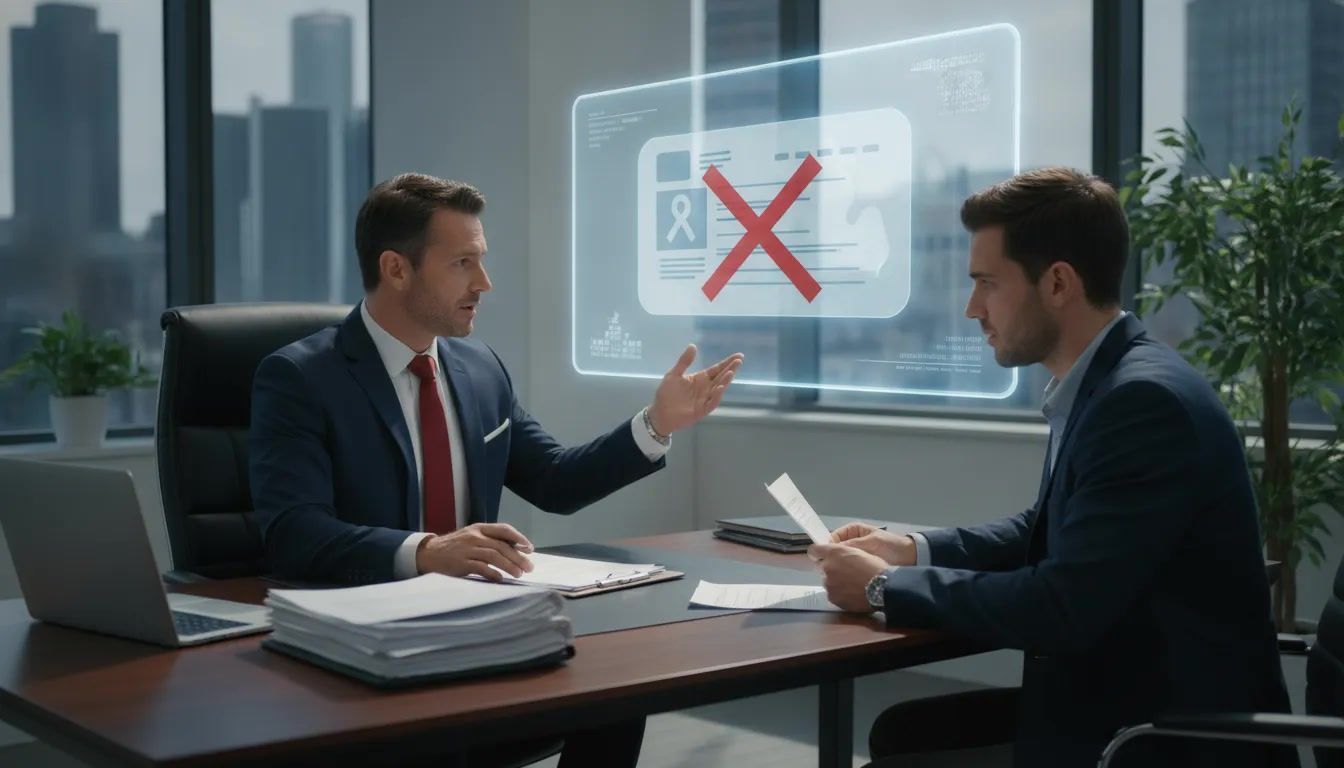
A multiple DUI defense lawyer reviews your record, explains your options, and helps you handle court dates, evidence, and license concerns.

Prior DUI cases do not always have the same effect on a new Michigan OWI charge. The dates, court outcomes, and location of each earlier case may matter. An out-of-state conviction may also need careful review before anyone can say how it applies under Michigan law. A multiple DUI defense lawyer can obtain or examine court records, check whether they accurately reflect your history, and assess the evidence behind the current allegation. If you have received a citation, court notice, or Secretary of State letter, keep it and note any dates listed. Bring records from every prior case to a consultation, even if you are unsure whether they are relevant.
Key Takeaways
What Does a Multiple DUI Defense Lawyer Do?
A multiple DUI charge is called an OWI charge in Michigan. When a driver has prior OWI convictions, the court may consider those convictions when addressing the new case. The details matter: the dates and locations of earlier cases, how they were resolved, and the evidence behind the current charge can all affect the defense.
A lawyer reviews those details, explains the legal process, and identifies issues that may need further investigation. That can include examining the traffic stop, police reports, video, and breath or blood test records. A lawyer can also help you understand court dates and license-related procedures, which may involve separate steps from the criminal case.
Michigan’s OWI statute covers offenses and penalties, but it does not determine the outcome of an individual case on its own. The effect of a prior conviction or a particular piece of evidence depends on the law and facts that apply. A lawyer can assess your circumstances and discuss possible strategies, but cannot promise a specific result.
How Repeat OWI Charges Differ From a First Offense
A repeat OWI charge can involve more serious consequences than a first offense. The charge and potential penalties depend on the circumstances, including the driver’s record and the facts alleged in the new case. A prior conviction may affect how the prosecution charges the case and how the court considers sentencing.
A defense lawyer reviews both the earlier case and the current evidence. That means checking whether the prior conviction is accurately recorded and legally relevant, as well as examining the stop, officer observations, and chemical test results. Michigan’s OWI law sets out different offenses and penalties, but the details of your record matter. An attorney can explain how the law may apply without assuming that every repeat charge will be handled the same way.
Why Prior Convictions, Offense Dates, and Jurisdiction Matter in Michigan
A lawyer should verify the details of prior cases, rather than rely only on a driving record or a person’s recollection. The dates, court records, and outcome of each case can help determine whether a conviction may be considered in the current matter. If a record contains an error or lacks important context, the lawyer can investigate further.
The location of an earlier case matters, too. A conviction from another state may require a closer legal review before its effect on a Michigan charge is clear. The lawyer can compare the out-of-state records with Michigan law and check how the prior offense is treated. These details may affect the charge, potential penalties, or defense strategy, so share paperwork from every prior case with your attorney.
How a Local Lawyer Reviews Court Records, Evidence, and Deadlines
A local defense lawyer can examine the current case and the court records from prior OWI matters. Depending on what is available, that review may include police reports, video, breath-test records, blood-test documents, judgments, and sentencing orders. The goal is to understand what the evidence shows, confirm the accuracy of the record, and identify questions that may need investigation.
Deadlines and court dates also need attention. Missing an appearance or failing to respond to a notice can create additional problems. If you are charged in Wayne County or the Dearborn area, Boulahanis & Associates can review your situation and explain which documents to gather. Bring all notices and paperwork, including records from older cases. Even a document that seems unrelated may help clarify your record or the steps you need to take.
How Criminal Court Cases Differ From Michigan Secretary of State License Actions
A criminal OWI case and a driver’s license action are separate processes, even when they arise from the same incident. The criminal case moves through court and may involve a plea, trial, or sentence. License consequences may follow different rules and require separate action, such as responding to a notice or requesting a hearing.
The Michigan Secretary of State provides information about license restoration and appeals. A lawyer can help you identify which process applies and explain how a court case may affect your driving privileges. Do not assume that resolving the criminal charge automatically resolves every license issue. Review each notice carefully, track its deadlines, and ask how the case and license process relate to one another.
What to Do After an Arrest: Keep Paperwork and Track Deadlines
Keep every document you received after the arrest, including the ticket or complaint, bond paperwork, test-related forms, and notices about your license. Make a list of upcoming court dates and deadlines, and save any messages from the court or the Secretary of State. If you have paperwork from earlier OWI cases, gather that as well. Those records may help your lawyer check whether prior convictions are accurately represented.
Avoid discussing case details on social media, and do not ignore a notice because you think it is only informational. The Michigan Secretary of State’s license information can explain general procedures, but your documents and circumstances determine what applies to you. Contact a defense lawyer promptly to review the paperwork and identify the next steps.
Why You Need Prompt Legal Advice, and Why No Lawyer Can Guarantee an Outcome
Contacting a lawyer early gives them time to review the arrest, check prior records, identify deadlines, and determine whether evidence should be preserved or investigated. It can also help you understand the difference between court proceedings and license-related actions before you make decisions. The right approach depends on your charge and circumstances, so another person’s experience may not be a reliable guide.
No lawyer can guarantee a particular outcome. Results depend on the evidence, the applicable law, and facts that may not be clear until the case has been reviewed. A responsible attorney should explain potential strategies and risks, answer your questions, and be candid about uncertainty. Boulahanis & Associates has represented people facing DUI and OWI charges in Wayne County since 1989 and offers a free initial consultation.
What Consequences Can Multiple DUI Charges Bring?
A new OWI charge can carry more serious consequences if you have prior alcohol- or drug-related driving convictions. In Michigan, the number of qualifying prior convictions, when they occurred, and the facts of the current case can affect the charge and potential penalties. A second offense within seven years is generally a misdemeanor, while a third qualifying offense can be a felony.
The effects may reach beyond criminal court. A conviction can affect your license, transportation, work, and insurance. A court may also order probation, treatment, testing, or other conditions. The specific consequences depend on the charge, your record, and the laws that apply.
An arrest is not a conviction, and consequences are not automatic. The Michigan OWI statute sets out offense classifications and possible penalties. The Secretary of State handles separate actions affecting driving privileges. Reviewing both the court paperwork and any license notices can help you identify what applies and which deadlines need attention.
Misdemeanor and Felony Penalties Under Michigan Law
Michigan generally treats a second qualifying OWI conviction within seven years as a misdemeanor. A third qualifying conviction within a person’s lifetime may be charged as a felony. Prior convictions from another jurisdiction may count if they meet the requirements in Michigan law, so do not assume that an out-of-state offense is irrelevant.
Potential penalties depend on the offense and the circumstances. A second-offense OWI can carry up to one year in jail. A third-offense OWI felony can carry up to five years in prison, along with other penalties. These are legal maximums, not a prediction of the sentence in a particular case. The Michigan OWI statute also sets out separate penalties for offenses involving serious injury or death.
Jail, Fines, Probation, Treatment, and Other Court Conditions
A repeat OWI conviction may result in jail or prison, fines, probation, or a combination of penalties. A court may also order substance-use screening or treatment, community service, testing, and other probation conditions. What applies depends on the offense, your record, and the court’s decision.
Read any probation order carefully. Missing a required appointment, failing to follow testing rules, or violating another condition can lead to additional consequences. If a term is unclear, ask your lawyer what it requires before you act. Do not assume that paying a fine or completing treatment ends every court obligation. The Michigan OWI law describes potential penalties, but the sentence in an individual case depends on its facts and the court.
How License Suspensions, Revocations, Restrictions, and Ignition Interlock Requirements May Apply
A criminal case and a driver’s license action are separate matters. Depending on your record and the circumstances, an OWI conviction may lead to a license suspension or revocation. A revocation can require you to apply for reinstatement or attend a hearing before you can drive again. The Michigan Secretary of State’s guidance explains how alcohol- and drug-related convictions can affect driving privileges.
Some drivers may qualify for restricted driving privileges, which may come with limits on when and where they can drive. An ignition interlock device may also be required. Eligibility and requirements depend on your record and case. Keep every notice you receive, note the deadlines, and confirm your license status before driving. Do not rely on an assumption that your privileges have been restored.
How Out-of-State Convictions and Pending Cases May Affect a Michigan Charge
A conviction from another state may affect how Michigan treats a new OWI charge. Michigan law can consider qualifying out-of-state convictions, but whether a particular offense counts depends on the details of that conviction and the applicable legal requirements. A lawyer may need to obtain court records and compare the prior offense with Michigan law before assessing its effect.
A pending case is not the same as a conviction. However, open cases can create practical complications if court dates, license matters, or case decisions overlap. A later conviction may also affect how a subsequent matter is handled. Tell your lawyer about every prior conviction and pending case, including matters outside Michigan. Complete information helps identify records to obtain and deadlines to track.
How Charges May Affect Employment, Insurance, and Daily Transportation
Multiple OWI charges can make routine responsibilities harder to manage. Losing driving privileges may affect your commute, school attendance, medical appointments, or family care. If driving is part of your job, a charge or license action may also affect your ability to perform certain duties. The impact depends on your role, your employer’s policies, and the case outcome.
Insurance costs or coverage may change after a conviction, but insurers respond differently based on their policies and the circumstances. Avoid assuming that every provider will handle your case the same way. While your case is pending, consider how you will get to work and meet other responsibilities. If you hold a professional license or rely on driving for work, ask your lawyer whether the charge may raise additional reporting or licensing concerns.
Why Your Charge, Record, and Jurisdiction Shape the Consequences
There is no single outcome for every repeat OWI case. The charge, the dates and nature of prior convictions, the evidence, and the circumstances of the arrest can all affect the legal analysis. The jurisdiction where a prior offense occurred may matter as well. Reviewing the underlying records can help determine whether a conviction qualifies to affect the current charge.
A lawyer may examine the traffic stop, test evidence, arrest records, and charging documents, while also checking license notices and deadlines. That review can clarify potential consequences and available options, but no lawyer can guarantee a specific result. Bring complete records and be candid about your history. Boulahanis & Associates represents people facing OWI charges in Wayne County and the Dearborn area, and offers a free initial consultation.
How Can a Multiple DUI Defense Lawyer Challenge the Charges?
A repeat OWI charge does not mean the evidence is complete or automatically proves the case. A defense lawyer can review how the traffic stop began, what happened during the investigation, how chemical tests were conducted, and whether the records support the alleged prior convictions. Each case calls for an individual review, since the available evidence and legal issues can vary.
In Michigan, an OWI charge may also raise driver’s-license issues separate from the criminal case. Those processes can have different requirements and deadlines, so keep every notice, test record, and court document you receive, and share it with your lawyer as soon as you can. An attorney familiar with OWI defense in Wayne County can review the circumstances and explain possible next steps.
A lawyer’s review may identify evidence to question or legal arguments to raise, but no challenge guarantees a dismissal or a reduced charge. The court decides whether evidence can be used and how the case will proceed. The sections below explain areas a defense lawyer may examine.
Review the Traffic Stop, Arrest, and Officer’s Observations
A lawyer may begin by asking why the officer stopped the vehicle and whether the investigation and arrest complied with applicable law. To understand what happened, counsel may review police reports, dashcam or body-camera footage, dispatch records, and witness accounts. If the stop or a later search raises a legal concern, the lawyer can assess whether there are grounds to ask the court to exclude evidence. The court decides whether to grant such a request.
Video and other records may also help the lawyer compare the officer’s written account with the events shown or described elsewhere. The reason for the stop, the timing of the investigation, and the officer’s observations may all matter. Michigan’s OWI statute sets out relevant offenses and provisions, but applying the law requires examining the facts of the specific case.
Examine Breath-Test Procedures, Equipment, and Results
A breath-test result is evidence to evaluate, not the whole case. A lawyer may review records about the instrument, its maintenance, the operator, and the steps taken during testing. The timing and documentation may matter too, including whether the records account for the events leading up to the test and show how the procedure was carried out.
Counsel can consider whether the result is consistent with other evidence and whether an identified issue could affect its reliability or admissibility. A technical discrepancy does not automatically change the outcome, so the lawyer must assess its significance under Michigan law and the facts of the case. Keep any paperwork you received about the test, and tell your attorney what you remember about when and where it happened.
Review Blood-Test Collection, Storage, and Analysis
For a blood test, a lawyer may examine how the sample was collected, labeled, stored, transported, and analyzed. Records can help show who handled the sample and when, what testing method the laboratory used, and whether the documentation is complete. Counsel may also assess whether applicable procedures were followed and whether the reported result supports the conclusion the prosecution is drawing from it.
Some questions require technical knowledge, and an attorney may consult a qualified expert when appropriate. The goal is to assess evidence-based concerns, not to assume that a test is invalid because it can be questioned. A blood-test challenge does not necessarily mean the result will be excluded. Its potential effect depends on the records, the relevant law, and the court’s decision. Share any test-related documents with your lawyer promptly.
Challenge Field Sobriety Tests and Other Evidence of Impairment
Field sobriety tests may contribute to an officer’s assessment, but a person’s performance can be affected by circumstances other than alcohol or drugs. Uneven surfaces, lighting, weather, footwear, injury, fatigue, anxiety, or a medical condition may be relevant. A lawyer can review the conditions, the instructions given, and available video to assess how the tests were administered and interpreted.
The defense may also compare the test results with the officer’s other observations, statements, and witness accounts. One observation does not necessarily answer whether a person was impaired. Michigan’s OWI law provides the legal framework, while the facts determine which issues may matter. Tell your attorney about any health condition, injury, or environmental factor that could help explain your performance.
Verify That Prior-Conviction Records Are Accurate and Legally Applicable
In a repeat-offense case, the prosecution may rely on earlier convictions when seeking particular charges or consequences. A defense lawyer can review whether the records identify the correct person, accurately state the case outcome, and include complete documentation. Differences in names, dates, or dispositions may need to be clarified before a prior conviction is relied upon.
The lawyer can also assess whether a prior offense qualifies under Michigan law for the purpose claimed. That may depend on the offense, the dates, and the legal status of the earlier case. An out-of-state conviction may require its own review rather than being treated as automatically equivalent to a Michigan offense. Accurate records matter, so gather paperwork from prior cases if you have it, including documents from courts outside Michigan.
Assess Health, Testing, and Procedural Issues That May Affect Evidence
A health condition, medication, injury, or other circumstance may affect how test results or observed behavior should be understood. Whether that information is relevant depends on the case and may require medical records or expert review. Simply raising a possible explanation does not establish that it affected the evidence, so share accurate details and supporting documents with your lawyer.
Counsel may also review whether required testing and evidence-handling procedures were followed. Depending on the circumstances, that review could include forms, timelines, laboratory records, and communications among the people involved. A procedural concern does not automatically make evidence inadmissible, but it may help the lawyer assess reliability or identify an issue for the court to consider. The Michigan OWI statute is one starting point for understanding the legal framework.
Why a Failed Test Does Not Automatically Decide Your Case
A failed breath, blood, or field sobriety test can be significant, but it does not resolve every issue in an OWI case by itself. The prosecution must prove the charge under the applicable law. A defense lawyer can examine how the evidence was collected, tested, documented, and interpreted, and whether other evidence supports or conflicts with the test result.
The strength of a potential challenge depends on the specific facts and records. An attorney can explain which issues may be worth raising, what additional information may be needed, and how a challenge could affect the case. No lawyer can promise a particular result. If you are facing a repeat OWI charge in Wayne County or Dearborn, contact Boulahanis & Associates to discuss your situation in a free initial consultation.
How Do You Choose a Multiple DUI Defense Lawyer?
A second or subsequent DUI/OWI charge can raise questions that may not come up in a first-offense case. Your lawyer may need to review the current arrest, check how earlier cases are recorded, and explain how the criminal case could affect your driving privileges. Look for an attorney with experience handling repeat OWI charges and familiarity with the courts and procedures relevant to your case, including those in Wayne County and Dearborn.
Use the initial consultation to understand how the lawyer would assess your situation. Ask how often they handle repeat-offense cases, what evidence and records they would want to review, and who would be responsible for your representation. It’s also reasonable to ask how the lawyer communicates updates and explains your options, and to consider the lawyer’s specific DUI experience, not just a general criminal defense background.
Bring the documents you have and ask about court dates, license concerns, fees, and deadlines. A lawyer should explain what they can assess at this stage and what remains uncertain. No attorney can promise a particular result, but clear answers about the process can help you decide whether their experience and approach fit your needs.
Find a Lawyer With Repeat-Offense Experience and Wayne County OWI Knowledge
Ask how regularly the lawyer handles repeat DUI/OWI cases and whether they have worked on cases with circumstances similar to yours. These cases may involve questions about prior convictions, including whether the records are accurate and relevant to the current charge. Ask what issues the lawyer would examine rather than relying on broad promises. Experience with repeat-offense cases can matter because prior convictions, offense dates, and jurisdiction can change the issues in the case.
Local experience is also worth discussing. Ask whether the lawyer handles cases in the court where your case is pending and can explain the process that may apply there. A lawyer’s familiarity with local procedures can help you understand what to expect, but it cannot guarantee a particular decision or outcome.
Ask About Relevant Training, Communication, and Case Evaluation
Ask about the lawyer’s experience with DUI/OWI cases and evidence such as breath, blood, and field sobriety tests. Find out how they would start evaluating your case: what documents they need, which details they would verify, and what questions may require more investigation.
Communication matters, too. Ask who will answer your questions, how you will receive updates, and whether the lawyer will explain important decisions before deadlines. A useful consultation should give you a clearer picture of the review process and immediate next steps. Be cautious of anyone who promises a specific result before reviewing the facts and evidence.
Discuss Fees, Representation, and Payment Options
Ask for a clear explanation of the fee and the work it covers. Find out whether the lawyer charges a flat fee or an hourly rate, and whether the cost could change if the case involves additional hearings or a trial. Ask which fee structure applies and which factors could change the total.
Confirm who will represent you in court and whether other attorneys or staff may work on your case. If you need a payment plan, ask what options are available and when payments are due. Before signing, review the fee agreement so you understand which services are included and whether additional costs may apply. Clear terms make it easier to compare lawyers and plan for the expense.
Bring Charging Papers, Test Information, and Records From Prior Cases
Bring the paperwork you have, such as a citation, complaint, bond documents, test records, and notices that list court dates. If you can access records from earlier DUI/OWI cases, bring those as well. Accurate dates and case information can help the lawyer identify what needs to be checked and which deadlines may require attention.
You don’t need to decide which details matter before your meeting. Write down what you remember about the stop, arrest, and testing, along with any questions you want to ask. Your lawyer can review the information and tell you what else may be useful. An attorney may review the arrest and examine the evidence for potential issues.
Ask How the Lawyer Will Address License Concerns, Court Dates, and Deadlines
Ask how the criminal case and any Michigan Secretary of State action could affect your driving privileges. These are separate processes, so a court case may not resolve every license question. Tell the lawyer about any notices you received, when they arrived, and whether you rely on driving for work or family responsibilities.
Request a clear timeline for confirmed court dates and any deadlines that need attention. Ask what the lawyer will handle and what steps you may need to take yourself. If new paperwork arrives, contact the lawyer promptly rather than assuming an existing date or deadline has changed. Getting clear guidance early can help you avoid overlooking an important requirement.
Contact Boulahanis & Associates for a Free Initial Consultation in Wayne County or Dearborn
If you’re facing a repeat DUI/OWI charge in Wayne County, use the consultation to discuss the arrest, prior cases, evidence, and license concerns. Bring the paperwork you have and prepare questions about the lawyer’s approach, communication, representation, and fees. You can also ask what information the firm would need to assess your situation.
Boulahanis & Associates defends misdemeanor and felony DUI/OWI charges, reviews breath, blood, and field sobriety test evidence, and helps clients address driving privilege concerns. Established in 1989, the firm serves Wayne County and the Dearborn area and offers a free initial consultation. Contact the firm to discuss your circumstances and learn what steps may be available.
Frequently Asked Questions
Does a prior DUI from another state count toward a Michigan OWI charge?
It may. Michigan may consider certain out-of-state convictions, but the details and legal requirements matter. A lawyer can review the court records to determine whether the earlier offense may affect your current case.
Can I challenge an OWI charge if I failed a breath or blood test?
Possibly. A lawyer can review how the test was conducted, documented, and analyzed, along with the rest of the evidence. A test result does not decide every issue by itself, and the court determines whether a challenge affects the case.
Will resolving my criminal OWI case automatically restore my driver’s license?
Not necessarily. Criminal court and Michigan Secretary of State license proceedings are separate. Read each notice carefully, track its deadlines, and confirm your driving status before getting behind the wheel.
What should I bring to a consultation about a repeat OWI charge?
Bring your current charging and bond paperwork, test-related records, license notices, and documents from earlier cases if available. A written list of questions and upcoming dates can also help you make the most of the meeting.
When should I contact an OWI defense lawyer?
Contact a lawyer as soon as you can after an arrest or notice. Early advice can help you understand upcoming court dates, license deadlines, and which records may need review. Boulahanis & Associates offers a free initial consultation for people facing OWI charges in Wayne County and the Dearborn area.